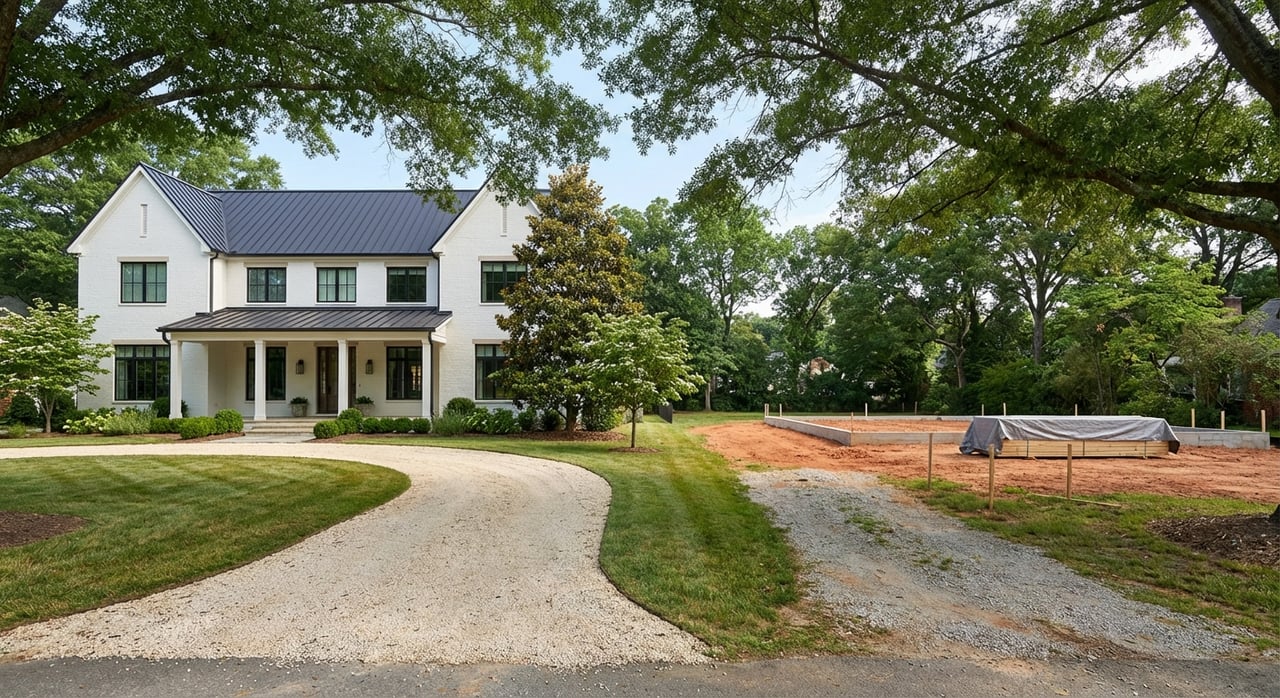
Torn between building your dream home or buying a move-in-ready residence in The Grove? You want the club lifestyle, privacy, and craftsmanship without surprises. This guide gives you the facts on pricing, timelines, design controls, membership, and resale so you can choose the right path for your family and goals. Let’s dive in.
Why The Grove stands out
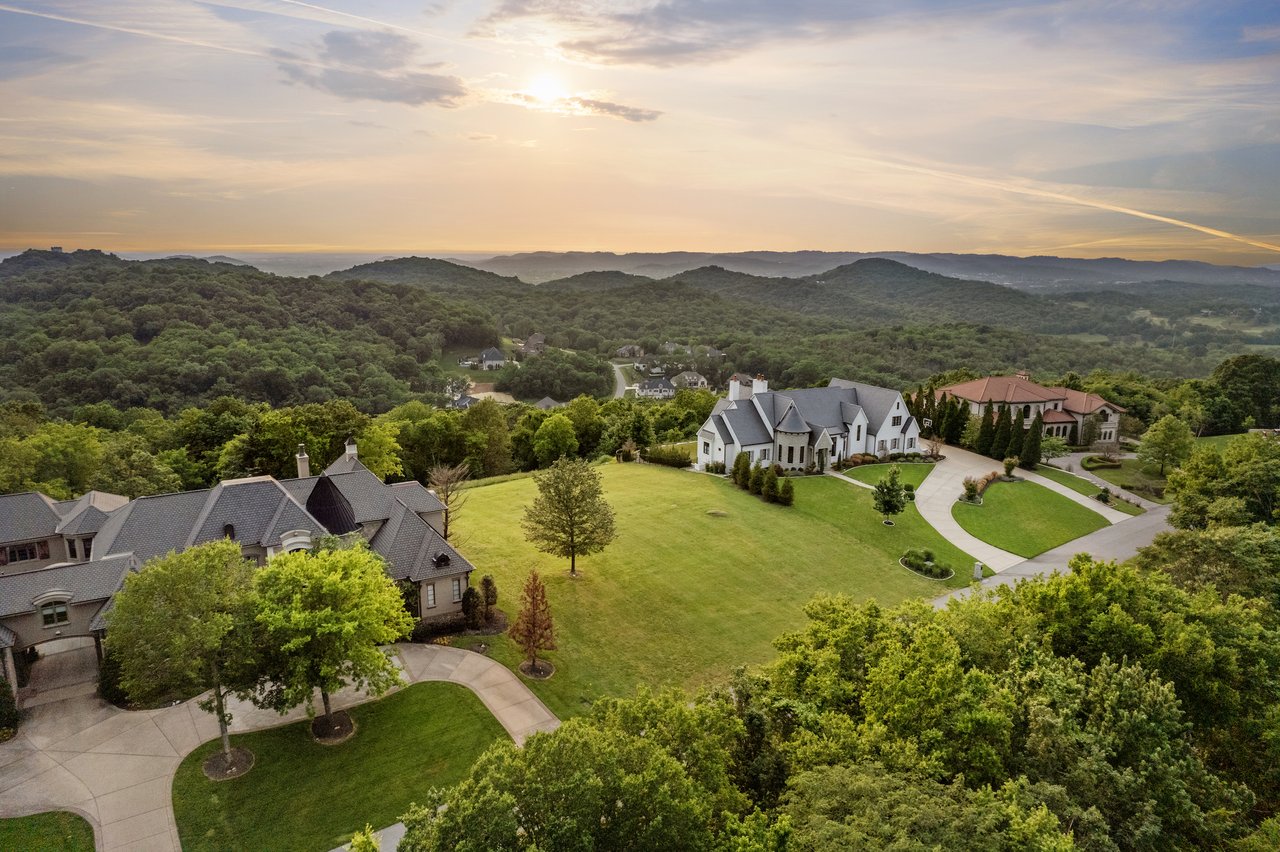
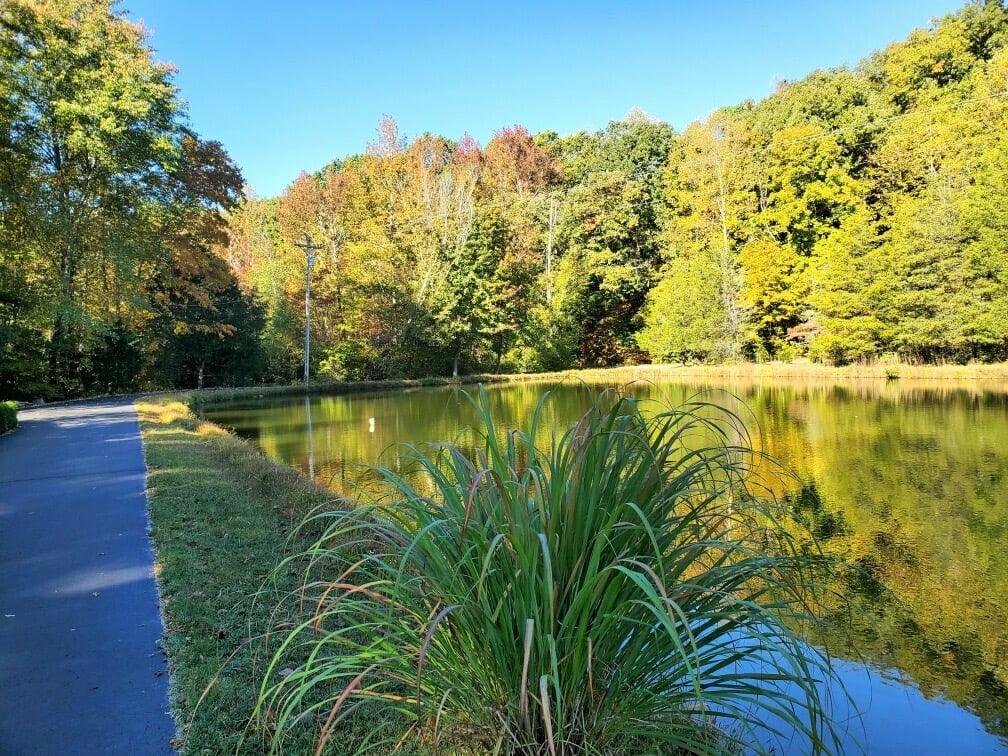
The Grove is a gated, private-club community in College Grove, set in southern Williamson County. According to the official community overview, it spans roughly 1,100 acres with a full suite of amenities, including the Manor House dining venues, a full-service spa, fitness facilities, tennis and pickleball, equestrian amenities, trails, pools, and a Greg Norman–signature championship golf course that hosted LIV Golf Nashville in 2024. You can explore the amenity and lifestyle highlights on the official community site.
Current pricing on the community site frames The Grove’s market clearly: custom homes from the low $2.0M to over $6.0M, and custom homesites generally from about $445,000 to over $1.1M. The Grove actively markets its remaining, final homesites across varied settings like ridgelines, golf frontage, woodland, and pasture. You can review the latest “final homesites” offerings and lot characteristics on the Homesites page.
If you decide to build, The Grove works with a roster of respected local signature builders, and both custom builds and high-end spec homes are common. See the community’s current builder roster on the Signature Builders page.
Build vs buy at a glance
Both paths can work well in The Grove. Building maximizes design control but takes time and careful budgeting. Buying resale delivers speed and certainty, often with mature landscaping and completed outdoor living. The right choice depends on your timeline, appetite for a build process, and the specific site or home you fall in love with.
Building in The Grove: what to expect
Lot selection and availability
The Grove is in its final phases of homesite releases, which means selection matters. Premium settings like golf frontage or ridge views can carry pricing differences. Before you commit, confirm the site’s utilities and any constraints, including slope, tree preservation, easements, and golf buffers. The community provides lot disclosures and context on the Homesites page.
Timeline and approvals
A true custom luxury build is a multi-step journey. Typical timelines include design, documentation, and permitting that can run several months, followed by on-site construction often in the 8 to 16 month range. Many full projects land around 12 to 24 months from contract to move-in, depending on plan complexity and site factors. These ranges reflect regional builder experience similar to the custom home timeline guidance.
Inside The Grove, you will submit your plans through the community’s architectural review process. Plan for ARC reviews and any monthly submission cutoffs when mapping your pre-construction schedule. Ask the community for its current ARC packet and typical turnaround so you can build a realistic calendar.
Financing and cash flow
Most custom projects use a construction or construction-to-permanent loan. You will typically make interest-only payments during construction, then convert to a traditional mortgage upon completion. These loans come with more documentation, defined draw schedules, and inspections that govern contractor payouts. If you are exploring a build, get preapproved with a lender who offers construction-to-permanent loans and understand rate scenarios and carry costs up front. For a clear primer, review this construction loan explainer.
Budget line items to plan for
Custom budgets are a mix of hard and soft costs. Common items include:
- Lot purchase price and closing costs
- Site work, grading, tree removal, drainage, and any retaining walls
- Utility connections or septic needs, as applicable
- Architectural, engineering, and interior design fees
- County permits and development taxes
- Builder overhead, allowances, and a contingency of 10% or more for surprises
- Landscaping, pool, and outdoor living
- Custom finishes and specialty features
Ask your builder to outline allowances clearly and adapt them to the realities of your specific homesite. Also factor time for ARC reviews and any county approvals. The Grove’s site notes that homesite characteristics and protections are important during planning; see the current context on the Homesites page.
Buying resale in The Grove: what to expect
Speed and certainty
A finished home offers a faster path to life in The Grove, with your timeline driven by inspections and closing rather than a 12 to 24 month build. You give up some design control but avoid construction-phase uncertainty and carrying costs.
Pricing dynamics
The Grove’s luxury market is active, with a concentrated band of sales in the multi-million range. Recent neighborhood reporting over a two-year window shows a median sale around $2.9M and average price per square foot in the $500+ range, with available listings often spanning $1.8M to $6M+. Within that spread, premiums track closely to site quality, views, finishes, and completed outdoor spaces.
Membership and fees
Residences and homesites in The Grove are tied to club membership under the community’s Master Property Declaration. For an initial purchaser, the seller typically pays a transfer fee toward issuance of a Resident Membership. Dues and initiation are separate from HOA fees. When buying resale, request the seller’s Membership Agreement and the club’s fee schedule so you know exactly what is due at closing and what your ongoing dues will be. You can review how membership and the Declaration are handled in the community’s FAQ.
Inspection and due diligence
Beyond the property inspection, confirm which costs are seller-paid vs buyer-paid at closing, including any transfer fees or initiation credits. Review the HOA budget and any special assessments. Ask for comparable sales that match your lot type, such as golf frontage versus interior sites, to avoid overpaying for features that will not hold at resale.
How ARC, HOA, and club rules shape your decision
The Grove’s standards are designed to preserve community character and long-term value. The recorded Master Property Declaration and Design Guidelines detail setbacks, exterior materials, rooflines, driveway and garage visibility, pool and landscape rules, and the ARC submission process. Get these documents before you finalize a plan or negotiate a contract. The community also distinguishes HOA fees from club dues. Neighborhood reporting places HOA fees in the low-hundreds per month range as an average, but you should confirm your exact assessments and any reserve or special assessment items with the HOA.
If you plan to build, working with a Grove-approved signature builder helps avoid rework and delays during ARC review. If you plan to buy resale, align your offer timelines with any membership transfer or approval steps so closing stays on track. The club’s membership framework is summarized in the community FAQ.
Resale value guardrails
The Grove’s market shows healthy demand in the $2M to $3M tier and beyond, with standout properties selling well above that for trophy sites and finishes. Liquidity and premiums track to lot quality, architecture, and completed outdoor environments. When building, design with neighborhood norms in mind and protect your future resale ceiling. National cost-versus-value research indicates that smaller, high-impact upgrades can return a higher percentage than ultra-bespoke finishes that outpace the area. Review current findings on project ROI in this cost vs value summary and calibrate your plan accordingly.
For resale readiness as a buyer or a future seller, keep finishes broadly appealing, prioritize durable exteriors, and make sure your outdoor living is dialed in. When valuing a home today, rely on nearby comps with similar lot types and locations inside the neighborhood, not broad national indices.
Step-by-step next moves
Use this short checklist to get organized, whether you decide to buy or build:
- Request key documents
- Master Property Declaration and Design/ARC Guidelines
- Homesite disclosures for any lot you are considering, including plat, utility availability, slope, buffers, and easements
- HOA budget/reserve info and the Grove Club fee schedule for transfers, initiations, and dues
- The community’s membership framework is summarized in the FAQ; lot context appears on the Homesites page
- Line up funding
- If buying resale, get mortgage preapproval
- If building, obtain preapproval for a construction or construction-to-permanent loan and understand draw schedules and rate scenarios with a lender familiar with these products; start with this construction loan primer
- If building, assemble your team early
- Engage one or two Grove signature builders to test budgets and schedules and to confirm build slot availability; see the Signature Builders
- Ask for the ARC submission checklist and typical review timing, then build those dates into your plan
- If buying resale, tighten due diligence
- Order a third-party inspection and confirm which fees transfer at closing
- Pull recent comps that match your lot type and street for a realistic offer strategy
When you focus on the right documents, funding, and partners, the choice between building and buying in The Grove becomes much clearer.
Ready to compare paths side by side with local, luxury-and-land expertise? Connect with Lisa Jurney Walker to walk through timelines, budgets, ARC steps, and current opportunities that fit your goals.
FAQs
What price range should I expect in The Grove?
- Community figures frame custom homes from the low $2.0M to over $6.0M, and homesites generally from about $445,000 to over $1.1M, with resale activity concentrated in the multi-million range.
How long does a custom home typically take?
- Many luxury projects run about 12 to 24 months from contract to move-in, with design and permitting often several months and construction around 8 to 16 months, depending on complexity.
How do membership and HOA fees work in The Grove?
- HOA fees cover community operations and are separate from club dues; membership admissions and transfers follow the Master Property Declaration, summarized in the community’s FAQ.
Do I need to use a specific builder to build in The Grove?
- New construction goes through an architectural review, so it helps to work with a Grove signature builder who knows the standards and process to minimize revisions and delays.
What should I verify before writing an offer on a lot?
- Obtain the Master Property Declaration and Design Guidelines, the homesite disclosure packet with utilities and constraints, and the club’s fee schedule so you understand transfer, initiation, and ongoing dues.