Looking for a place where you can slow down, spread out, and enjoy Tennessee countryside without feeling disconnected? Buying a retreat or second home in Leipers Fork can offer exactly that, but it also comes with questions that are very different from buying in a typical neighborhood. If you are considering a getaway property, estate home, or acreage here, understanding the area’s land-use rules, infrastructure, and long-term value drivers can help you make a smart decision. Let’s dive in.
Why Leipers Fork Appeals to Retreat Buyers
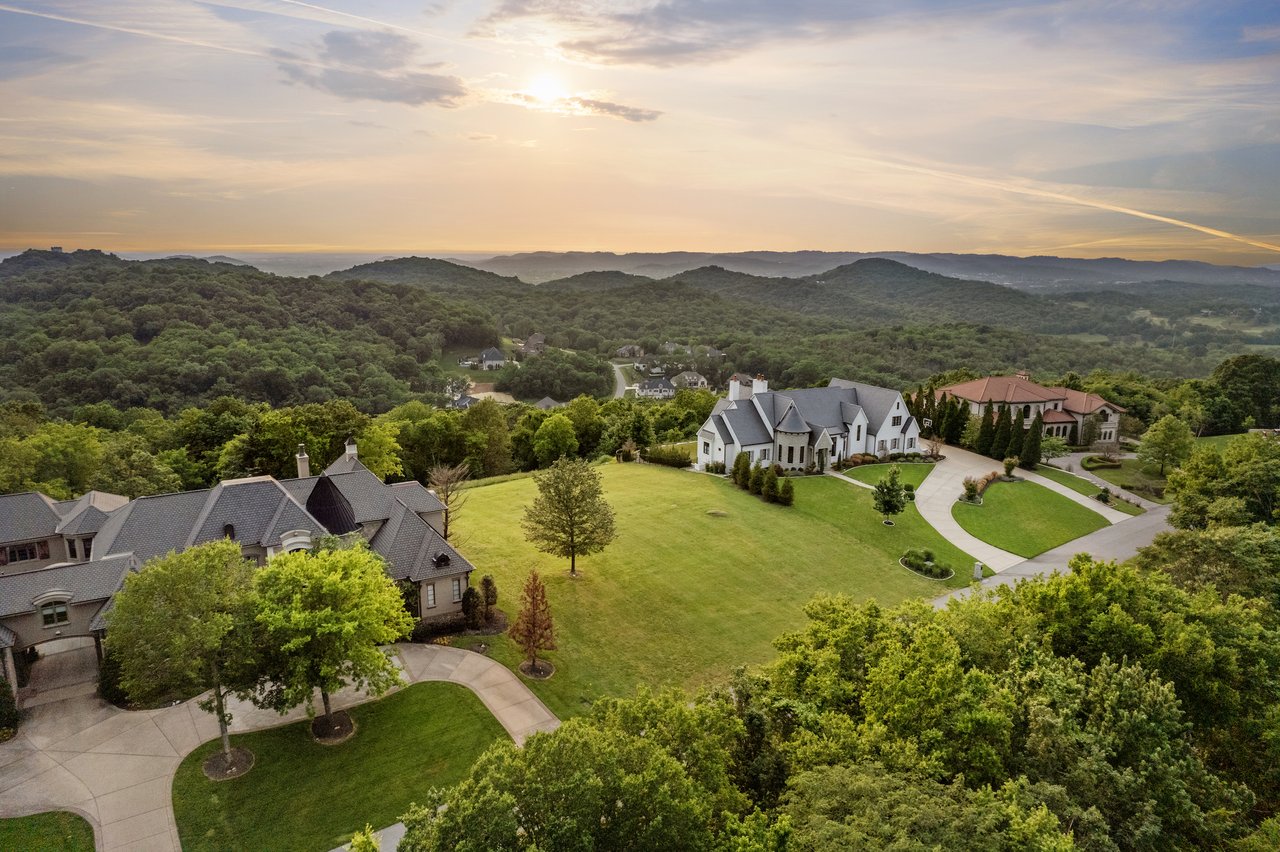
Leipers Fork stands out because it is not a conventional subdivision market. The village sits just off the Natchez Trace Parkway, which Visit Franklin places near milepost 428, and the National Park Service describes the Parkway as a 444-mile scenic drive. That setting helps shape the slower pace and countryside feel many second-home buyers are searching for.
Just as important, Williamson County has a special planning framework for Leipers Fork that focuses on preserving the village’s character, traditional development patterns, open space, and natural resources. For you as a buyer, that means the appeal of Leipers Fork is closely tied to preservation and setting, not rapid suburban expansion.
County zoning also reflects that low-intensity approach. The zoning ordinance and use tables include rural retreats and emphasize compatibility over dense growth. If your goal is privacy, scenery, and a property that feels removed from the pace of the city, that framework is part of what makes Leipers Fork distinctive.
Long-Term Value in Leipers Fork
When you buy a second home or retreat, lifestyle matters, but long-term value matters too. Leipers Fork sits within Williamson County, where the U.S. Census Bureau QuickFacts show a median household income of $135,594 for 2020 through 2024. That broader economic strength supports demand across the county.
County leaders also reported in the 2024 State of the County that assessed value countywide grew from $4.2 billion in 2003 to $19.2 billion in 2024. The same county materials noted more than 101,000 real-property parcels, while 57% of the county’s 373,979 acres remained in greenbelt in 2023, along with 65 protected properties totaling 7,790 acres. Those numbers point to a market where land remains valuable, limited, and shaped by conservation-minded ownership.
Another factor is density. Williamson County reported that unincorporated areas have a maximum residential density of one home per five acres. For you, that can mean more breathing room, more privacy, and a supply structure that often supports the appeal of estate homes and acreage over time.
What Makes Buying Here Different
Buying in Leipers Fork often requires more parcel-level research than buying in a traditional residential development. A listing may be described as being in Leipers Fork, but what matters most is the exact location, zoning, and any overlay or special standards that apply to that specific parcel.
That is especially true because Williamson County’s planning rules are designed to preserve village character and open space. A property’s road access, topography, septic setup, flood exposure, and permitted uses can all affect how you enjoy the home as a second residence or retreat.
In other words, the setting is part of the draw, but it also makes due diligence more important. If you want a guest house, equestrian setup, recreational acreage, or occasional rental use, those details should be confirmed early.
Rental and Guest Use Rules
Many second-home buyers want flexibility for guests or occasional rental income. In Williamson County, the zoning ordinance defines visitor accommodations as lodging for short-term stays under 30 days, and county amendments added vacation rental homes as a use type within that category.
That does not mean every property qualifies automatically. You should verify the exact zoning of the parcel before assuming short-term rental use is allowed. Williamson County’s hotel, motel, and short-term property rental information directs owners to the Business Tax Department for questions, which makes local confirmation especially important.
There is another wrinkle if the property is inside Franklin city limits instead of the unincorporated Leipers Fork area. The City of Franklin short-term rental rules are more restrictive. Franklin states that only one short-term vacation rental is permitted per lot, the owner must be a permanent occupant, and nightly rentals are limited to 113 nights in any rolling 12-month period for a dwelling without an accessory dwelling.
Property Taxes and Greenbelt Considerations
Your ownership costs will depend on the parcel and jurisdiction. Williamson County’s 2025 property tax information shows that rates vary by jurisdiction, and the county trustee collects the bills. That is why it is smart to budget taxes on a parcel-by-parcel basis instead of assuming one flat countywide number.
If you are buying a true second home, there is another point to keep in mind. The county’s tax-relief and tax-freeze programs require the property to be the owner’s primary residence, so second homes generally do not qualify.
For larger acreage, Tennessee’s greenbelt program can be a major consideration. The county’s 2025 Greenbelt Manual explains that qualifying agricultural, forest, or open-space land is assessed based on present use rather than highest and best use. It also notes that applications are generally due by March 15 and that rollback taxes may apply if the land no longer qualifies or is converted.
Septic, Utilities, and Rural Infrastructure
One of the biggest practical issues in Leipers Fork is septic. Williamson County states that individual subsurface sewage disposal systems are required where public sewer is not available, and the county does not operate public sewer in the unincorporated portions of the county. In most cases, each structure served by running water needs its own septic system.
That matters more than many buyers expect. If a property includes a guest house, pool house, barn, kennel, garage with plumbing, or horse-washing area, septic requirements may come into play. The county also states that the septic system generally must remain on the same parcel unless there is a properly approved easement.
Utilities and services can also vary by site. Williamson County reported using ARPA funds for broadband expansion, and county leaders later referenced enhanced broadband and water or sewer projects in rural areas. Even so, rural properties still call for parcel-specific verification of internet service, water access, and emergency response coverage.
Flood Risk and Land Review
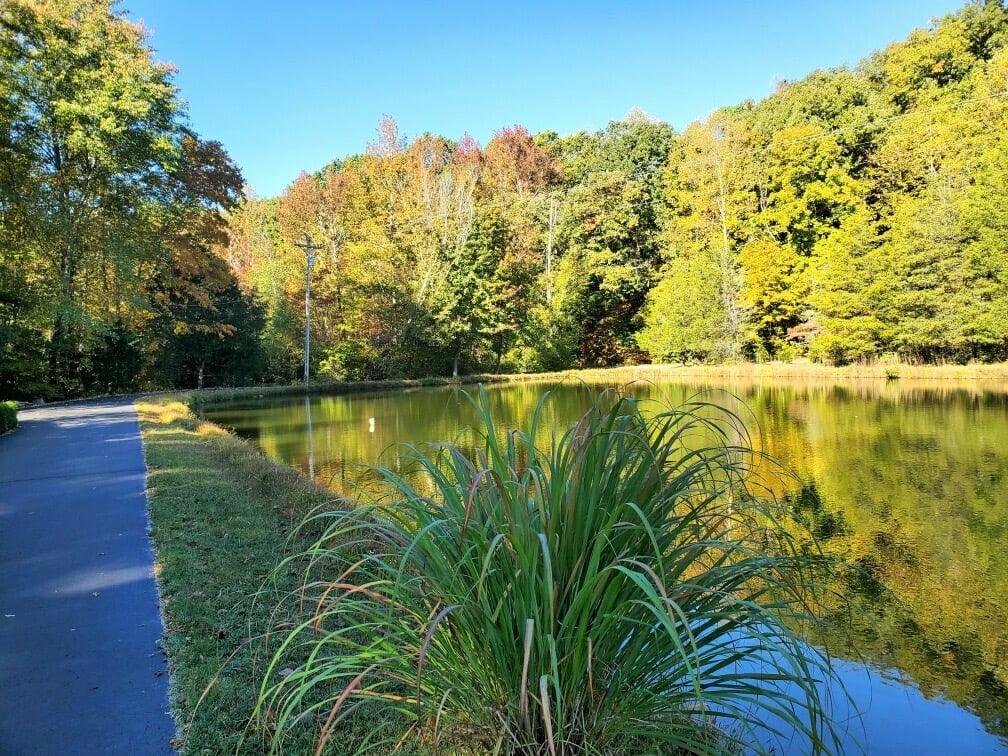
If you are considering creek frontage, bottom land, or lower-lying acreage, flood review should be part of your buying process. FEMA’s Flood Map Service Center is the official public source for flood-hazard information. FEMA also notes that standard homeowners insurance usually does not cover flood damage.
This is one of the most important checks for a retreat property because scenic land and water features can be part of the appeal. Before you move forward, it is worth understanding whether floodplain conditions could affect insurance, improvements, or future plans for the land.
A Smart Due Diligence Checklist
If you are serious about buying a retreat or second home in Leipers Fork, here are the key items to verify before making an offer:
- Exact parcel boundaries
- Current zoning district
- Any village-district overlay or special area standards
- Short-term rental eligibility
- Septic permit history and current capacity
- Flood zone status
- Greenbelt eligibility
- Whether the property is inside Franklin city limits or unincorporated Williamson County
- Site-specific utility and internet access
These details matter because the Leipers Fork planning framework is intentionally designed to protect the area’s rural character. In a market like this, the fine print can have a big impact on how you use and enjoy the property.
Is Leipers Fork Right for You?
If you want a second home that offers privacy, scenic access, countryside views, and a preserved rural setting, Leipers Fork can be a compelling fit. It appeals to buyers who value space, stewardship, and a slower lifestyle, whether that means a luxury estate, equestrian property, or acreage retreat.
The tradeoff is that buying here usually requires more careful review than a suburban home purchase. Zoning, septic, floodplain, rental rules, and tax treatment all deserve close attention. When you understand those pieces upfront, you are in a much stronger position to choose a property that fits both your lifestyle and your long-term goals.
If you are exploring Leipers Fork real estate and want guidance that blends luxury service with real land expertise, connect with Lisa Jurney Walker for a private consultation.
FAQs
What makes Leipers Fork different from other second-home markets?
- Leipers Fork is shaped by a preserved rural village setting, scenic access near the Natchez Trace Parkway, and county planning standards that emphasize open space, compatibility, and low-intensity growth.
Can you use a Leipers Fork second home as a short-term rental?
- Possibly, but you should verify the parcel’s exact zoning first because Williamson County and the City of Franklin have specific rules that may limit or restrict short-term rental use.
Do Leipers Fork properties usually have public sewer?
- In unincorporated Williamson County, public sewer is generally not available, so many properties rely on individual septic systems and each water-served structure may need its own approved setup.
Should you check flood maps before buying in Leipers Fork?
- Yes, especially if the property includes creek frontage, low-lying land, or other water features, because flood conditions can affect insurance and future use of the property.
Can acreage in Leipers Fork qualify for greenbelt tax treatment?
- Some larger parcels may qualify if they meet Tennessee’s agricultural, forest, or open-space requirements, but eligibility, deadlines, and possible rollback taxes should be reviewed carefully.
Why is due diligence so important for Leipers Fork real estate?
- Parcel-specific factors like zoning, overlays, septic capacity, flood status, and city-limit boundaries can all affect how you use the property, so detailed review is especially important in this market.