Torn between the charm of Franklin’s Historic District and the convenience of a newer luxury community? You are not alone. Both options deliver standout lifestyles, but the rules, costs, and day-to-day feel are different. In this guide, you will learn how each choice lives, what to expect from design controls and HOAs, and how to weigh long-term costs and resale. Let’s dive in.
How the Historic Core Lives
Character and walkability
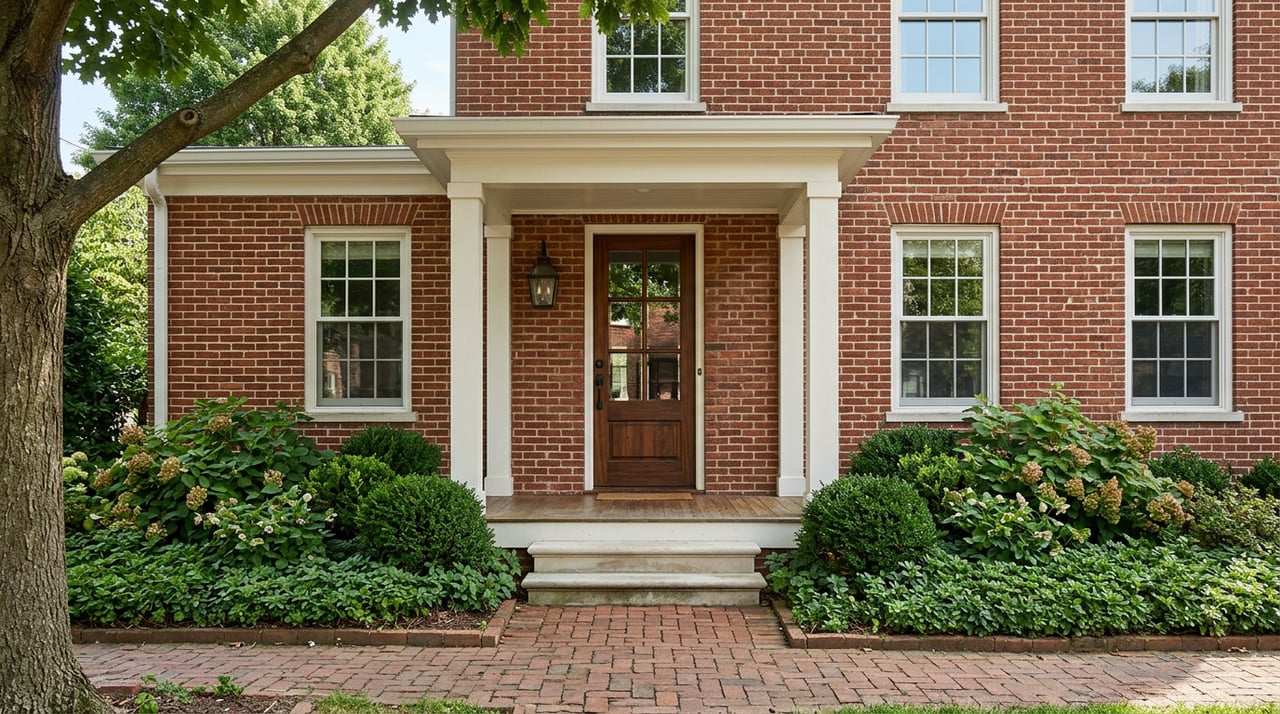
Franklin’s downtown historic core offers distinctive architecture, tree-lined streets, and easy access to Main Street shops and dining. Many addresses post higher walkability, which makes errands and nights out simple if you want to park the car less. Limited supply near the square and proximity to civic amenities are major value drivers for buyers who prioritize character and convenience.
For context about the district’s history and boundaries, review the National Register nomination for the Franklin Historic District, which documents its significance and evolution over time. You can find it in the National Park Service archive at the NRHP listing for the Franklin Historic District.
Rules and approvals for exteriors
If a property sits in the City of Franklin’s Historic Preservation Overlay, many exterior changes require review and a Certificate of Appropriateness. Typical projects that need review include additions, window and roof changes, new construction, fences, and site features. The city publishes official Historic District Design Guidelines that outline what is likely to be approved and how to apply. Expect some planning and timelines for exterior work; the tradeoff is strong protection of neighborhood character.
- Explore the city’s Historic Preservation program and process at the City of Franklin Historic Preservation page.
- See design standards and review triggers in the Historic Zoning Commission Design Guidelines.
Maintenance and insurance realities
Historic properties can be extraordinary, but older systems may bring higher ownership costs if not updated. Many buyers budget for periodic capital projects like roofs, foundations, and major mechanicals. A common rule of thumb suggests planning at least about 1 percent of a home’s value per year for maintenance, with older homes sometimes requiring more. Roofing costs vary by material and size; national averages can help you model near-term needs.
Insurers often price older homes differently because of wiring, plumbing, or specialty materials. It is smart to obtain an insurance quote early so you can compare premiums across homes of different ages. If the home is within a local historic overlay, remember that exterior repairs may need historically appropriate materials, which can add time and cost.
- Review practical maintenance guidance in HomeLight’s checklist.
- Check national roof cost ranges on HomeAdvisor.
- Learn how age can impact premiums in The Zebra’s overview of homeowners insurance for older homes.
- See Franklin’s historic design requirements that can affect exterior work in the city’s Design Guidelines.
Inside Newer Luxury Communities
Amenities and daily convenience
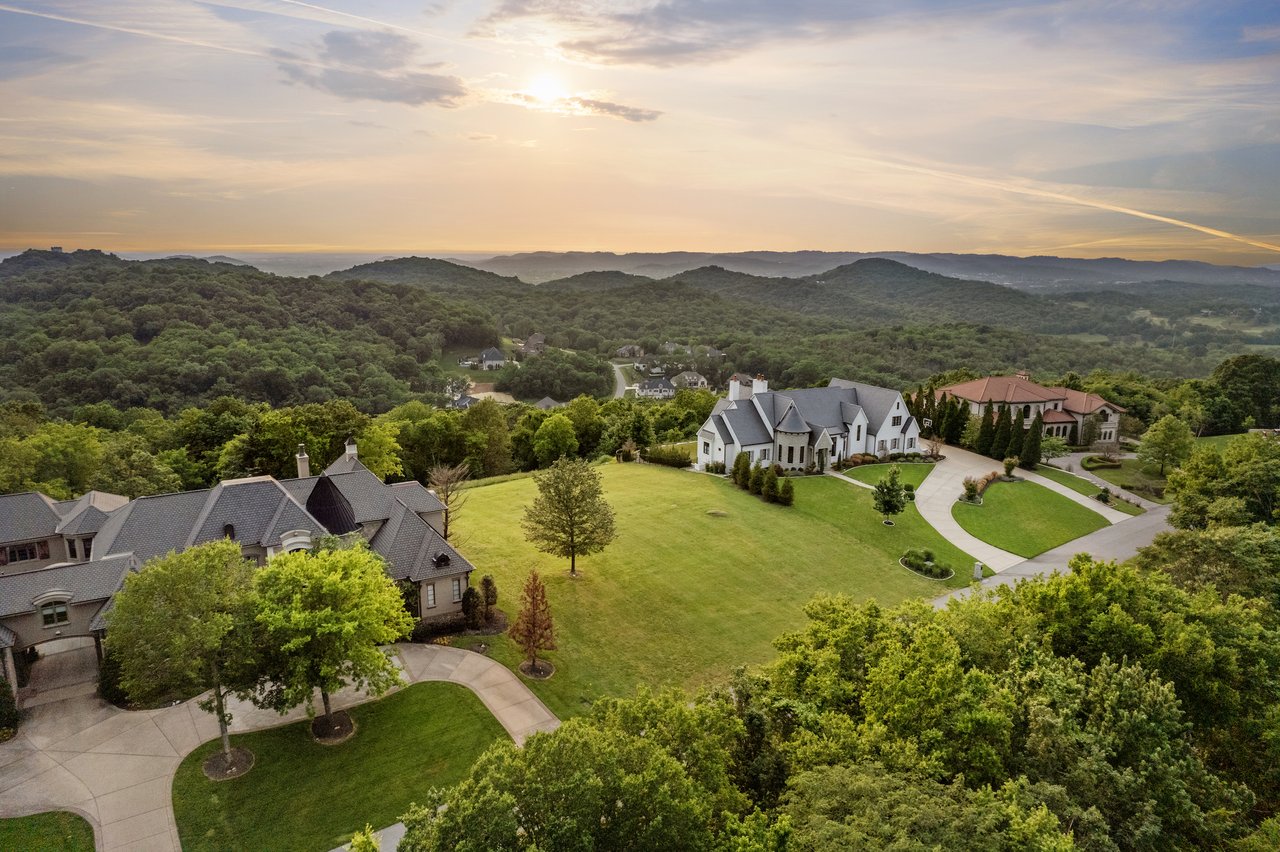
Westhaven and Berry Farms are strong examples of Franklin’s newer luxury, master-planned living. Westhaven offers multiple pools, fitness, parks, trails, programmed events, and the private Westhaven Golf Club for members. Berry Farms centers everyday life around a town center with retail, restaurants, and a grocery store, plus community features like pools, playgrounds, and gathering spaces.
- Explore the Westhaven Golf Club for membership and lifestyle details.
- Read about new amenities and town center growth at Berry Farms in Boyle Investment Company’s update.
HOA rules, design control, and dues
These communities are governed by HOAs and CC&Rs that set standards for architecture, exterior changes, amenities, and maintenance. Dues vary by product type and phase; some sectors include landscape care or exterior maintenance for townhomes, while single-family sections often focus dues on amenities and common areas. HOAs can simplify upkeep and preserve a cohesive streetscape. They also add a monthly or quarterly line item and rules that affect everything from exterior paint to parking and rentals.
- Preview common HOA documents and processes through the Westhaven HOA resource page.
Walkability and commuting
Master-planned town centers improve local walkability, and many residents stroll to coffee, restaurants, or fitness within the neighborhood. Outside of those cores, most daily errands remain car-based. If walkability is a must-have, map your target homes against town-center locations and test the routes on foot and by car at different times. You can compare local walkability metrics for Franklin on Walk Score.
Cost and Ownership Differences
Purchase price patterns
Franklin is one of Middle Tennessee’s higher-priced markets. Downtown historic cottages and renovated homes can range from more modest footprints under the seven-figure mark to fully restored or expanded properties well above it. Westhaven and Berry Farms span townhomes to large custom homes, with prices that reach into the multi-million-dollar range for top-tier properties. For any specific home, rely on neighborhood-level closed-sales from the local MLS to understand current value and price per square foot.
Taxes, HOAs, and carrying costs
Carrying cost is more than principal and interest. In master-planned communities, factor HOA dues and any optional club memberships. In the historic core, there are no HOA dues for most single-family streets, but you may see different maintenance and insurance profiles by age of systems. Across Franklin, property tax bills depend on the taxing districts that overlay the parcel and the most recent reassessment cycle. Ask for the last two years of tax bills, plus the list of districts, so you can model your annual payment accurately.
Energy and system differences
Newer construction typically meets modern building, mechanical, and insulation standards, which can lower near-term replacement risk and help with energy performance. Historic homes vary by update level. Insulation upgrades, HVAC replacements, and air sealing are common projects that can narrow the efficiency gap. Always request ages of major systems and utility summaries if available.
Resale and Demand
Who each option attracts
Historic-district homes draw buyers who want authenticity, walkability, and proximity to Franklin’s square. Newer luxury communities tend to appeal to buyers who prioritize amenities, community programming, and predictable maintenance. Both buyer pools are deep, but they are looking for different experiences.
How rules influence value
Historic overlays protect architectural character and streetscapes, which can help support demand over time for in-town locations. The tradeoff is more structure around exterior changes. HOAs protect appearance and amenity quality across large communities. Dues and restrictions are part of the value equation and should be viewed alongside the time and private costs they replace.
Which holds value better
Both can perform well. Downtown’s limited supply near the square and strong walkability support long-term interest. Newer luxury homes offer modern systems and amenities that many buyers prefer. When you are comparing two addresses, use the most recent closed-sales in the micro-neighborhood and the property’s specific features to guide your decision.
Quick Side-by-Side Snapshot
Historic District strengths:
- Architectural character, mature streetscapes, proximity to Main Street.
- Higher walkability for dining, shopping, and events.
- Strong preservation standards that protect neighborhood feel.
Historic District tradeoffs:
- Exterior changes often require a Certificate of Appropriateness.
- Maintenance and insurance can be higher if systems are older.
- Materials and specialty contractors may add time and cost.
Newer Luxury strengths:
- Built-in amenities like pools, fitness, parks, and town centers.
- Newer systems and construction that can reduce near-term capital needs.
- HOA maintenance of common areas and cohesive curb appeal.
Newer Luxury tradeoffs:
- Mandatory HOA dues and rules for exteriors, parking, and sometimes rentals.
- Walkability varies outside the town center; errands may be car-based.
- Club memberships may be separate from HOA dues, depending on the property.
Franklin Buyer Due-Diligence Checklist
Use this checklist to compare any historic-district home or luxury master-planned property side by side.
- Verify zoning and overlays. Confirm if the address is within Franklin’s Historic Preservation Overlay and review the City of Franklin Historic Preservation guidance for the Certificate of Appropriateness process. Skim the Historic Zoning Commission Design Guidelines for project triggers and standards.
- Request HOA documents early. Ask for CC&Rs, bylaws, architectural review procedures, rental rules, current budgets, and reserve studies. The Westhaven HOA page is a good example of the types of documents you should see.
- Model carrying costs. Gather the last two years of property tax bills and list all taxing districts. Add HOA dues and any optional club memberships to your annual budget.
- Order the right inspections. For historic stock, add specialized electrical, plumbing, and structural evaluations. For newer homes, confirm roof and HVAC ages and verify any HOA-maintained elements are in good standing. See national roof cost benchmarks on HomeAdvisor to prioritize capital items.
- Get an insurance quote. Use The Zebra’s overview of insurance for older homes to frame questions. Compare premiums between an updated historic home and a newer build to see how age and materials affect pricing.
- Test walkability and commute. Use Walk Score to compare addresses. Then drive and walk the routes you care about at weekday peak times.
- Confirm short-term rental rules. If rental flexibility matters, verify city regulations in Franklin’s zoning ordinance for short-term vacation rentals and then check any HOA restrictions.
The Bottom Line
If you want daily access to Franklin’s square, a walkable rhythm, and one-of-a-kind architecture, the Historic District is hard to beat. You will trade for more planning on exterior changes and a maintenance plan that respects older systems. If your priority is on-site amenities, newer systems, and a social calendar close to home, Westhaven, Berry Farms, and similar master-planned neighborhoods are compelling choices with clear HOA structures.
If you would like to compare addresses with real MLS data, HOA specifics, and estimated carrying costs, let’s talk. Schedule a Private Consultation with Lisa Jurney Walker, and we will tailor a plan around your timeline and goals.
FAQs
What does buying in Franklin’s Historic District mean for renovations?
- Exterior changes often require a Certificate of Appropriateness under Franklin’s Historic Preservation Overlay; review the city’s Historic Preservation page and the Historic Zoning Commission Design Guidelines before planning projects.
How do HOA rules work in Westhaven or Berry Farms?
- HOAs set design standards, amenity rules, and maintenance policies that protect appearance and function; get CC&Rs, bylaws, current budgets, and reserve studies early so you understand dues and restrictions.
Are homes downtown more expensive to insure than newer builds?
- Often yes, depending on system ages and materials; older homes can carry higher premiums, so request quotes early and compare using guidance like The Zebra’s overview of insurance for older homes.
How walkable is downtown Franklin compared with master-planned areas?
- Downtown addresses typically show higher walkability because shops and dining cluster near Main Street; town-center pockets in communities improve local walkability, and you can compare addresses on Walk Score to see the difference.
How should I budget for maintenance on a historic home?
- Start with about 1 percent of home value annually as a baseline and plan for periodic capital items like roofs and HVAC; use national benchmarks such as HomeAdvisor’s roof cost ranges to forecast near-term needs.
Can I run a short-term rental in either area?
- Franklin’s zoning ordinance places limits on short-term vacation rentals and often requires owner occupancy; confirm city rules for the specific parcel and check any HOA policies before you rely on rental income.