Wondering whether a gated or open neighborhood is the better fit in Franklin? It is a smart question, because in this market, the choice is about more than a gate at the entrance. You may be weighing privacy, maintenance, amenities, visitor access, and the overall feel of daily life. The good news is that Franklin offers strong options on both sides, and a clear way to compare them once you know what to look for. Let’s dive in.
Why Franklin Offers Both Options
Franklin’s approach to growth has long centered on planning, preservation, and fiscal responsibility, with steady growth since the mid-1980s. That helps explain why you will find a mix of neighborhood formats instead of one dominant model.
In practical terms, your decision is often not just gated versus non-gated. In Franklin, you are usually comparing public-street neighborhoods, HOA-centered planned communities, and smaller private-access enclaves. That distinction matters because the ownership, upkeep, and day-to-day experience can vary quite a bit.
What “Open” Really Means in Franklin
An open neighborhood is not always a no-rules neighborhood. In Tennessee, sellers must disclose when a home is in a planned unit development and make restrictive covenants, homeowner bylaws, and the master deed available on request.
That means an open community can still have HOA dues, architectural guidelines, amenity rules, and landscaping standards. If you assume only gated communities come with restrictions, you could miss important details that affect how you live in the home.
Gated Neighborhood Benefits
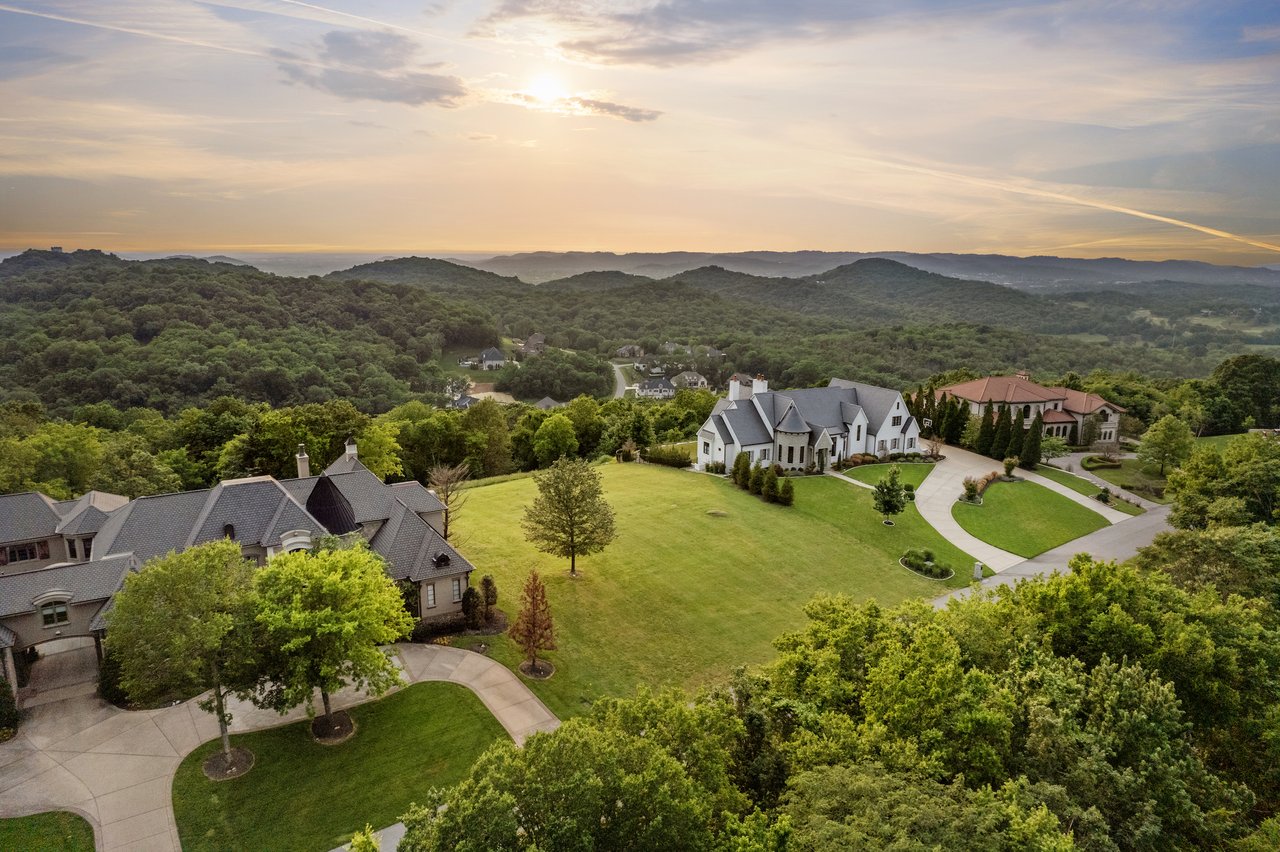
For many buyers, the biggest draw of a gated neighborhood is a stronger sense of privacy and controlled access. These communities often appeal to people who want less through-traffic, a more secluded setting, and a quieter internal feel.
In Franklin, Ashton Park presents itself as a gated community with cottages and townhomes, private courtyards, maintained landscaping, and convenient access to I-65. Vista Creek is marketed as a private gated community with 19 estate and farmstead homesites on roughly 5-to-11-acre parcels. Those examples show how gated living in Franklin can range from low-maintenance homes to large-lot estate settings.
Another key advantage is that gated communities often create a more contained environment. If you value controlled entry and a neighborhood that feels inward-facing, this setup may align well with your lifestyle.
Open Neighborhood Benefits
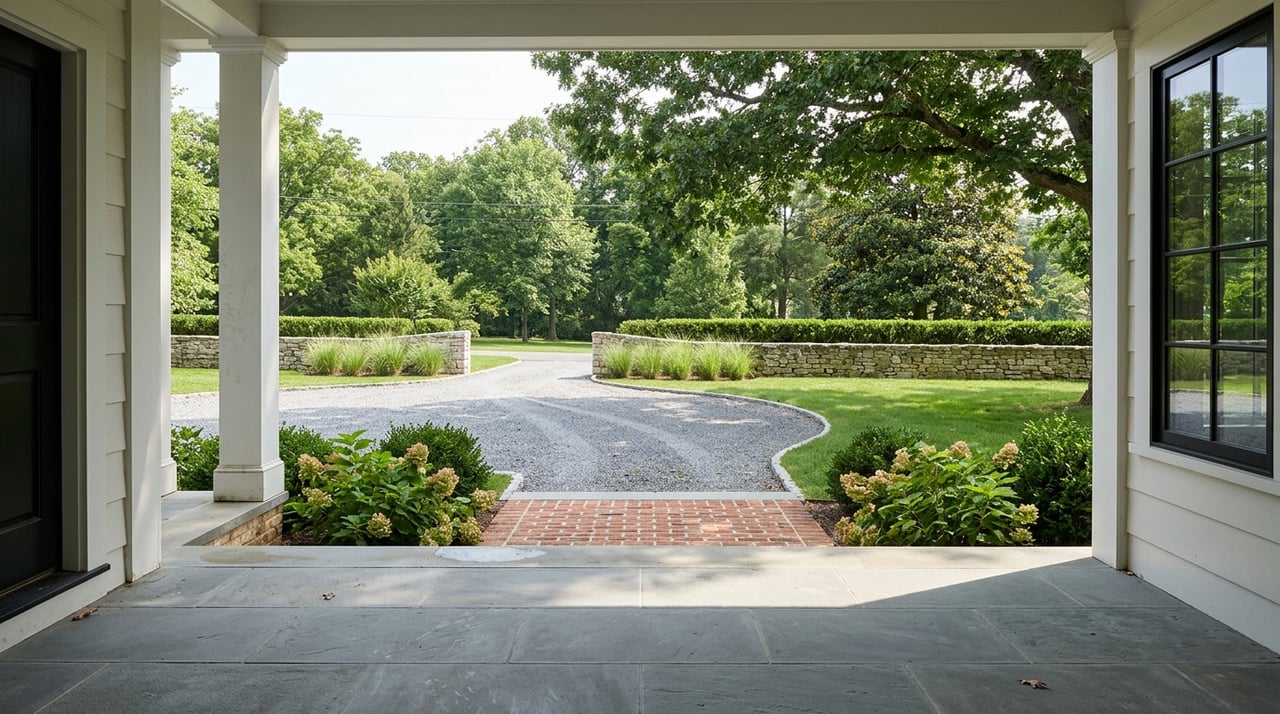
Open neighborhoods often appeal to buyers who want easier access, more street connectivity, and a stronger link to the surrounding community. In Franklin, many of these neighborhoods are still HOA-managed and amenity-rich, but they tend to feel more outward-facing.
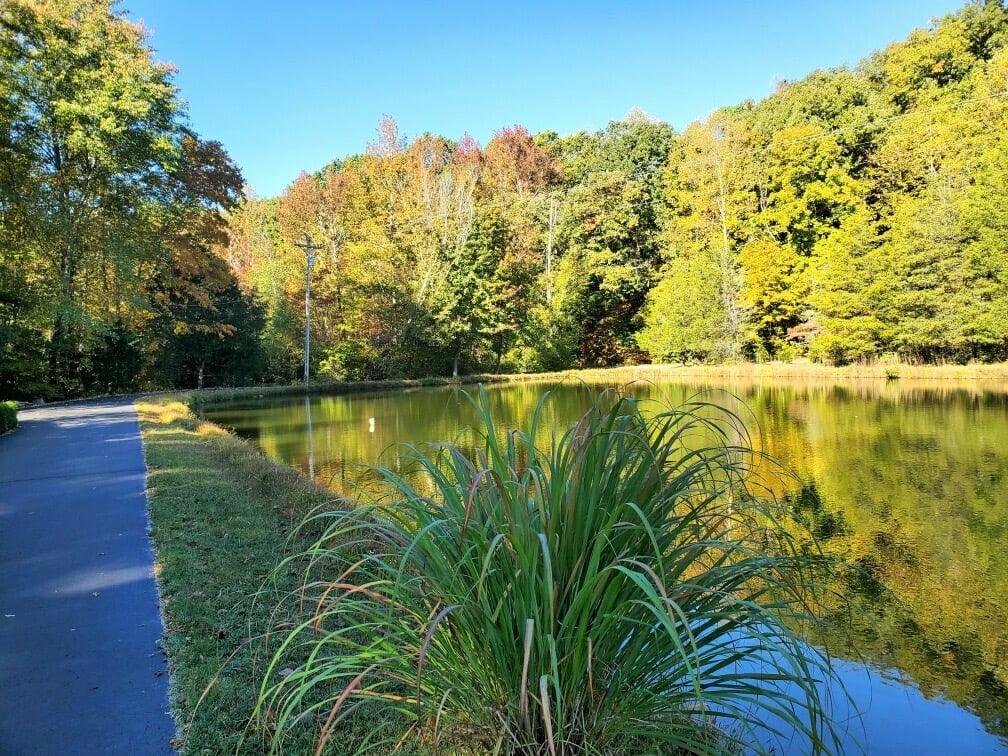
Berry Farms emphasizes pedestrian-friendly streets, mixed-use living, and access to shops, restaurants, offices, parks, a pool and pool house, and bocce ball courts. Westhaven highlights parks, trails, nature, and neighborhood connection. These communities can be a strong fit if you want walkability, easy guest access, and a more active street presence.
Open neighborhoods may also feel simpler for everyday logistics. Visitors, deliveries, and service providers usually move in and out more easily, which can be a real quality-of-life benefit depending on how you use your home.
Amenities Exist on Both Sides
One common misconception is that you need a gated community to get strong amenities. In Franklin, that is simply not the case.
Franklin’s zoning ordinance recognizes neighborhood amenities such as pools, sports fields, sports courts, playgrounds, and dog parks for resident use. So when you compare neighborhoods, it is better to look at the actual amenity package instead of assuming the gate tells you everything.
Fieldstone Farms is a planned, deed-restricted community with amenities included in HOA dues and professional management. Cottonwood Estates is a 484-home subdivision with amenities, architectural control, and professional management. The real question is not whether amenities exist, but whether you will use what is offered enough to justify the cost.
Maintenance May Be the Biggest Difference
If you want to avoid surprises, ask detailed maintenance questions early. In many Franklin-area neighborhoods, the most important difference between gated and open living comes down to who is responsible for what.
Williamson County states that a private driveway is not a public road and that the county is not responsible for maintaining it. The county may only accept it later if property owners petition and upgrade it to county specifications. That matters in private-access neighborhoods, where road upkeep may stay with the HOA or property owners.
By contrast, Franklin’s Streets Department maintains city streets and alleys, the Parks Department manages public parks, recreation facilities, greenways, and open spaces, and street lights are maintained by MTEMC. If a neighborhood has public infrastructure, some of the ongoing maintenance burden may sit outside the HOA.
Before you buy, ask specifically about:
- Road maintenance
- Gate system upkeep
- Landscaping and irrigation
- Sidewalks and common areas
- Street lighting responsibilities
- Reserve funding for future repairs
HOA Rules Matter More Than the Gate
A gate can shape access, but the HOA often shapes daily life. That is why reading the governing documents early is one of the smartest moves you can make.
Ashton Park’s homeowner materials show how detailed some rule structures can be, with separate sections for parking, gates and cameras, landscaping, covenants, and HOA dues. Even in an open neighborhood, you may find detailed standards for exterior changes, parking, pets, landscaping, or rentals.
Try not to judge a neighborhood by appearance alone. A peaceful, open neighborhood may still have a highly structured HOA, while a gated enclave may offer exactly the low-maintenance setup you want.
Questions to Ask Before You Decide
When you tour neighborhoods in Franklin, it helps to go beyond curb appeal and ask direct, practical questions. A home can be beautiful, but the neighborhood structure needs to match how you want to live.
Use this checklist as a starting point:
- Are the roads public or private?
- What does the HOA fee actually cover?
- Are there transfer fees, amenity fees, or special assessments?
- How restrictive are the rules on parking, exterior updates, landscaping, pets, or rentals?
- Does the neighborhood feel social, quiet, or highly managed?
- How easy is visitor access?
- Are amenities central to your lifestyle or just nice to have?
These questions often reveal more than the entrance sign ever will. They can also help you compare two neighborhoods that look similar on paper but live very differently day to day.
Which Buyers Tend to Prefer Gated Living?
Gated neighborhoods often make the most sense if your priorities lean toward privacy and separation. You may prefer this route if you want a more secluded internal environment, controlled access, or a larger-lot setting with a tucked-away feel.
That can be especially appealing if you are relocating, buying for long-term lifestyle value, or looking for a home that feels more protected from outside traffic. In Franklin, private-access communities like Ashton Park or Vista Creek illustrate that appeal in different ways.
Which Buyers Tend to Prefer Open Neighborhoods?
Open neighborhoods often fit buyers who want convenience, connection, and a more active sense of place. If you value walkability, easier guest access, mixed-use surroundings, or broader neighborhood interaction, this format may suit you better.
Franklin examples like Berry Farms, Fieldstone Farms, Cottonwood Estates, and Westhaven show that you can still have amenities, management, and structure without controlled entry. For many buyers, that balance feels easier and more flexible.
How to Make the Right Choice in Franklin
The best neighborhood for you depends on how you define comfort, convenience, and long-term value. Some buyers feel most at home in a private enclave with controlled entry and a quieter internal rhythm. Others want public-street connectivity, neighborhood energy, and simpler access to shops, trails, and daily routines.
Franklin’s managed growth and continued investment in transportation and greenways support both formats, which is part of what makes this market so appealing. If you compare access, maintenance, amenities, HOA structure, and overall neighborhood feel, you will be in a much stronger position to choose well.
If you want help narrowing the field and comparing Franklin neighborhoods through the lens of privacy, lifestyle, and long-term fit, Lisa Jurney Walker can help you evaluate your options with local insight and a relationship-first approach.
FAQs
What is the difference between a gated and open neighborhood in Franklin?
- In Franklin, the difference is often about access, street ownership, maintenance responsibility, and neighborhood feel rather than whether rules exist, since both gated and open communities may have HOAs and restrictions.
Do open neighborhoods in Franklin have HOA rules?
- Yes, open neighborhoods in Franklin can still have HOA dues, architectural standards, amenity rules, and restrictive covenants, so you should review the documents early in your search.
Are gated neighborhoods in Franklin always more private?
- Gated neighborhoods generally offer controlled entry and less through-traffic, which can create a more secluded feel, but the exact level of privacy depends on the community layout and rules.
Who maintains roads in Franklin neighborhoods?
- It depends on whether the roads are public or private, since Franklin maintains city streets and alleys, while Williamson County says private driveways are not public roads and are not county-maintained.
Do you need a gated neighborhood in Franklin to get amenities?
- No, Franklin offers amenity-rich living in both gated and open communities, including features such as pools, courts, playgrounds, parks, and other shared resident spaces.
What should you ask before buying in a Franklin HOA community?
- You should ask what the HOA covers, whether roads are public or private, whether there are transfer fees or special assessments, and how restrictive the rules are for parking, exterior changes, landscaping, pets, and rentals.