Wondering whether a hobby farm in Leiper’s Fork is a dream lifestyle or a bigger commitment than you want? That is a smart question to ask before you fall in love with a farmhouse, rolling pasture, or a quiet stretch of acreage. If you are thinking about buying land here, it helps to look past the views and understand the real-world rules, costs, and day-to-day responsibilities. Let’s dive in.
Why Leiper’s Fork Draws Acreage Buyers
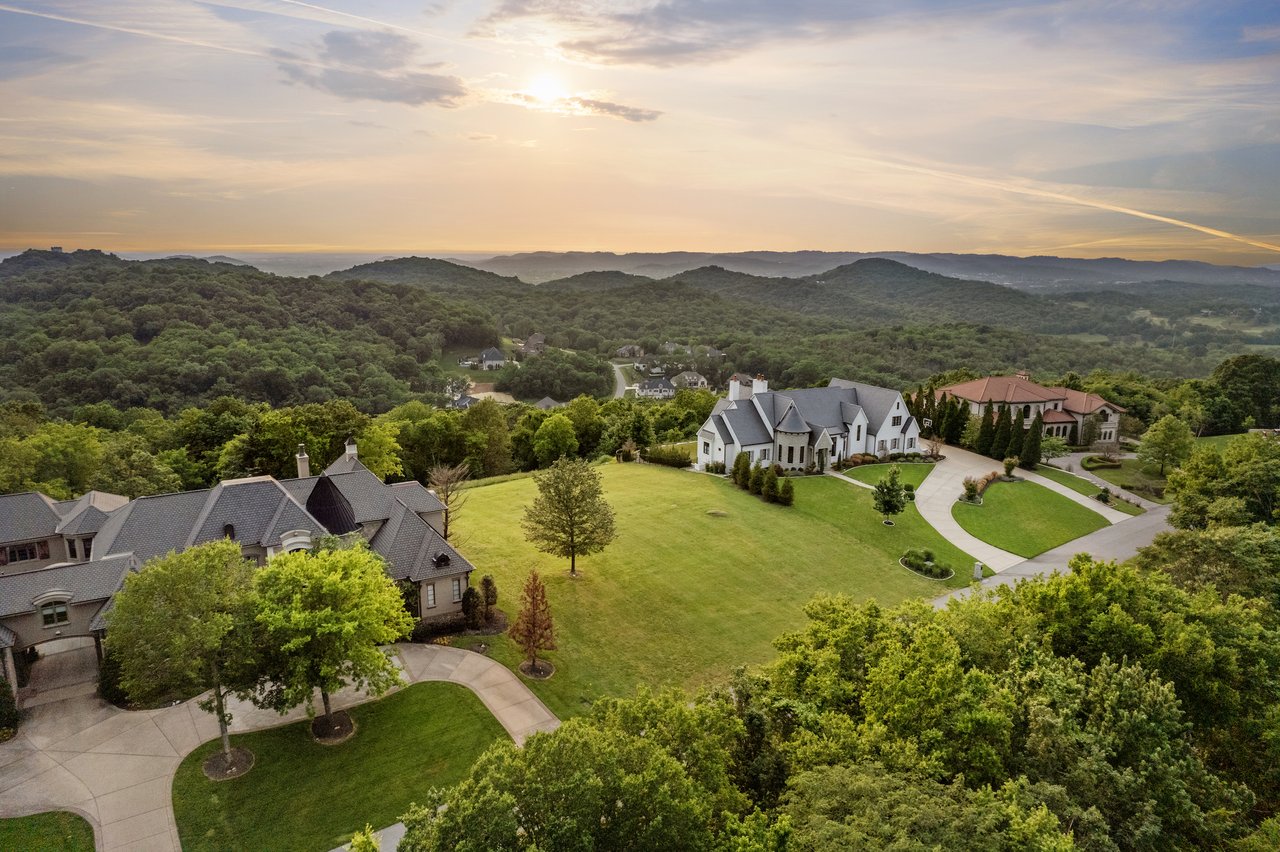
Leiper’s Fork has long appealed to buyers who want privacy, open space, and a countryside setting in Williamson County. According to Williamson County, the area falls within a village-planning framework that reflects historical significance, limited infrastructure, growth pressure, and a desire to preserve natural and historic resources through the Leiper’s Fork Village Special Area Plan.
For you as a buyer, that means the charm of Leiper’s Fork is closely tied to how the area is planned and protected. It can be an excellent fit if you want land and a rural feel, but it also means ownership often requires more planning than a home in a typical neighborhood.
What a Hobby Farm Really Means Here
In everyday conversation, people use the phrase hobby farm pretty loosely. In Williamson County, though, what matters is not the label. What matters is how the property is actually classified and used under county rules.
The county zoning ordinance points to 15 acres for agricultural use classification and also 15 acres for equestrian facilities. It also sets standards for equestrian use, including one equine per 2 acres and specific setbacks for roofed structures, corrals, manure, feed, and bedding areas, as outlined in the county zoning ordinance.
That distinction matters because a smaller property may still work beautifully as a rural residence with some land to enjoy. But if your goal is true agricultural use, horse facilities, or certain tax benefits, parcel size and intended use become much more important.
Start With Your Lifestyle Goals
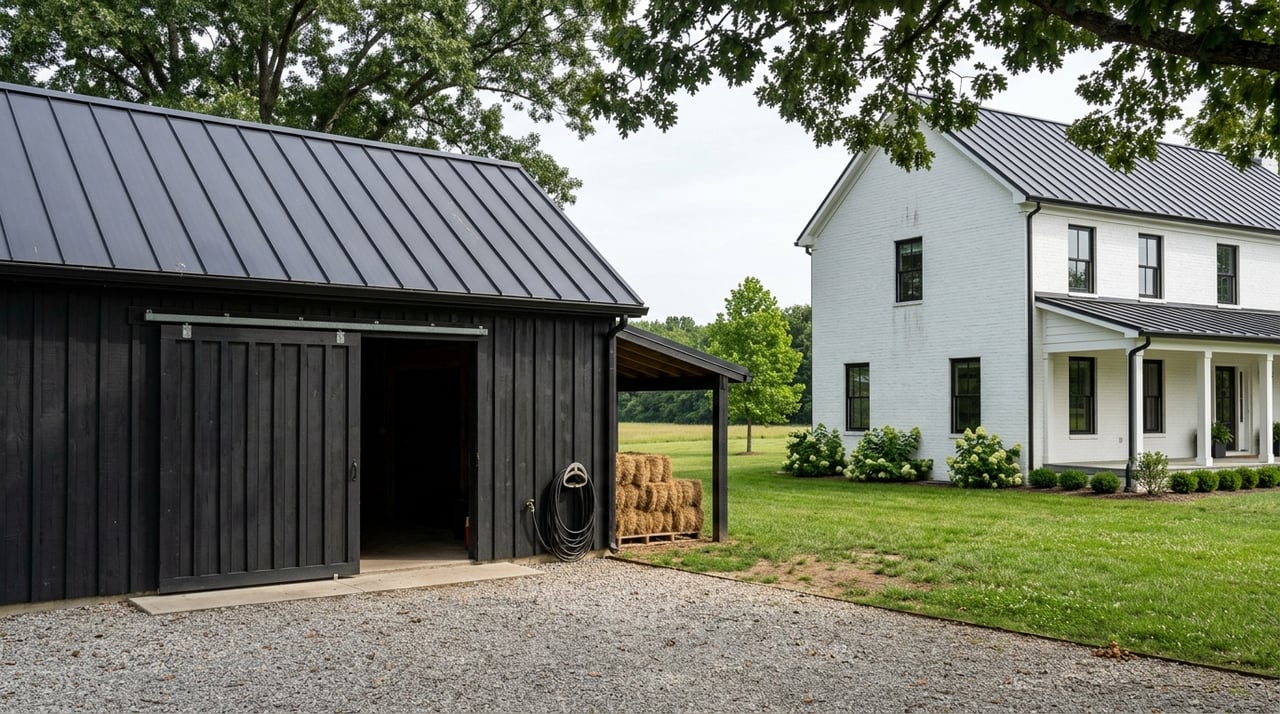
Before you look at listings, it helps to define what you want your property to do for you. Some buyers want a peaceful home with room for gardens, equipment, or a few outdoor projects. Others want horses, a barn, fenced pasture, or enough acreage to support agricultural activity.
Those are very different goals, and they do not all fit the same kind of property. If you know how you plan to use the land, you can avoid spending time on properties that look right in photos but do not support your intended use.
Questions to Ask Yourself
- Do you want a rural home with elbow room, or a property with true agricultural potential?
- Are horses part of your plan?
- Do you expect tax savings through Greenbelt?
- Will you need additional structures like a barn, workshop, or equipment storage?
- Are you prepared for ongoing land maintenance?
- Do you want to host gatherings or run a farm-based business?
Acreage Rules Can Change the Answer
One of the biggest issues in Leiper’s Fork is acreage. If you picture a small hobby farm on a modest parcel, it may still offer the lifestyle you want, but it may not meet county thresholds for agricultural or equestrian use.
Williamson County’s rules indicate that agricultural use classification requires 15 acres, and equestrian facilities also require 15 acres. That makes acreage one of the first filters to apply when you are evaluating whether a property truly fits your plans.
If you are buying primarily for privacy, views, and a rural setting, a smaller parcel could still be a strong fit. If you want a property that supports horses or agricultural classification, it is wise to verify the parcel against county standards before you move forward.
Greenbelt Tax Savings Have Real Requirements
A lot of buyers ask whether a hobby farm can qualify for lower property taxes. In Tennessee, the answer depends on whether the land qualifies for the state’s Greenbelt program.
Williamson County explains that qualifying agricultural land must be at least 15 acres and must be actively engaged in agricultural use. The county also notes on its Greenbelt page that applications are due by March 15 for the year of classification, and that simply planning to farm the property is not enough.
That means Greenbelt should be treated as a bonus if the property and its use qualify, not as an assumption. If tax treatment is part of your buying decision, it should be verified early.
Utilities Matter More Than Buyers Expect
A beautiful piece of land is only part of the story. On rural property, utilities and approvals can have a major impact on how you use the land and what it may cost to improve.
The State of Tennessee notes that private rural properties often rely on wells or springs for water, and that private water quality is generally unregulated even though well construction is regulated through the state’s private water supply guidance. The state also says it does not require sampling and analysis of private water supplies, though lenders or other parties may still require it, according to its well water information.
Wastewater is just as important. Williamson County’s Sewage Disposal department oversees onsite septic rules to protect public health, groundwater, and the environment. The county’s electronic review system also handles septic design review, driveway permits, land-disturbance permits, building permits, zoning inquiries, and other approvals tied to property use.
Utility Checks to Make Before You Buy
- Confirm whether the property uses public water, a private well, or another water source.
- Ask whether there is an existing septic system and whether future additions may require review.
- Check whether barns, outbuildings, driveways, or grading plans need permits.
- Review access and driveway considerations before closing.
- Clarify whether any lender requirements may apply to water testing.
Day-to-Day Ownership Is Hands-On
Owning acreage can be deeply rewarding, but it is rarely passive. Even a smaller hobby farm usually requires regular attention to mowing, fencing, drainage, access, and general land stewardship.
University of Tennessee Extension notes that Tennessee forage systems often rely on cool-season perennial grasses like tall fescue and orchardgrass, which are productive in spring and fall but can slow down in summer, according to its forage guidance. UT Extension also explains that pasture weeds become more troublesome when stands are thin, drainage is poor, soils are droughty or low in pH, or grazing pressure is too heavy.
That practical reality affects how much time, labor, and expense a property may require. UT’s soil management guidance also emphasizes soil testing and keeping soil covered with vegetation to reduce runoff and erosion, both of which matter on rural acreage.
Common Ongoing Responsibilities
- Pasture mowing and rotation
- Fence maintenance and repair
- Weed control
- Watering-system planning
- Erosion and runoff management
- Soil testing and ground cover maintenance
Horses Add Another Layer
If horses are part of your vision, the property needs to do more than look scenic. County standards for equestrian facilities include acreage minimums, animal density limits, and setback requirements, which can affect where barns, corrals, and related areas may be placed.
Williamson County subdivision regulations also address setbacks involving stables, corrals, manure piles, wells, and surface water, as shown in the county subdivision regulations. That tells you something important: horse property is as much about site planning and environmental management as it is about open land.
If you want an equestrian setup, it helps to evaluate the parcel as a system. You are not just buying pasture. You are buying layout, access, water, setbacks, and long-term functionality.
Event Use and Farm Businesses Need Extra Review
Some buyers imagine a property that can support small events, gatherings, or a farm-based side business. That can be appealing in Leiper’s Fork, but it should never be assumed.
Williamson County records show that Leiper’s Fork has its own village-district standards, and county text amendment records note that special-event rules were specifically adjusted for parcels in the village district. If event-based use or a commercial activity is part of your plan, you will want to verify what is allowed for that specific parcel before you close.
So, Is a Hobby Farm in Leiper’s Fork Right for You?
A hobby farm in Leiper’s Fork may be a great fit if you want privacy, land, and a more hands-on rural lifestyle. It can also be a strong choice if you value stewardship and are comfortable thinking through zoning, utilities, maintenance, and land use before making an offer.
It may be less ideal if you want low-maintenance ownership, easy assumptions about horse use, or tax savings on a smaller parcel that does not meet county thresholds. In Leiper’s Fork, the right property is not just the prettiest one. It is the one that supports how you actually want to live.
When you are buying acreage, thoughtful guidance matters. If you want help evaluating land, estate homes, or rural properties in Williamson County, Lisa Jurney Walker can help you look beyond the listing photos and make a confident, well-informed decision.
FAQs
How many acres do you need for agricultural use in Leiper’s Fork?
- Williamson County zoning rules indicate that agricultural use classification requires 15 acres.
How many acres do you need for horses in Leiper’s Fork?
- Williamson County rules state that equestrian facilities require 15 acres and are limited to one equine per 2 acres, along with setback requirements.
Can a smaller Leiper’s Fork property qualify for Greenbelt taxes?
- Usually not for agricultural Greenbelt treatment, because Williamson County says qualifying agricultural land must be at least 15 acres and actively used for agriculture.
Do Leiper’s Fork hobby farms usually need well and septic review?
- Often yes, because rural properties may rely on private water sources and onsite septic systems, both of which should be verified early in the buying process.
Can you host events on a hobby farm in Leiper’s Fork?
- You should verify that directly with county rules for the specific parcel, because Leiper’s Fork village-district standards include special-event considerations.
What should you check before buying a hobby farm in Leiper’s Fork?
- Focus on zoning, acreage thresholds, Greenbelt eligibility, water source, septic feasibility, access, permits, and whether the parcel supports your intended use.