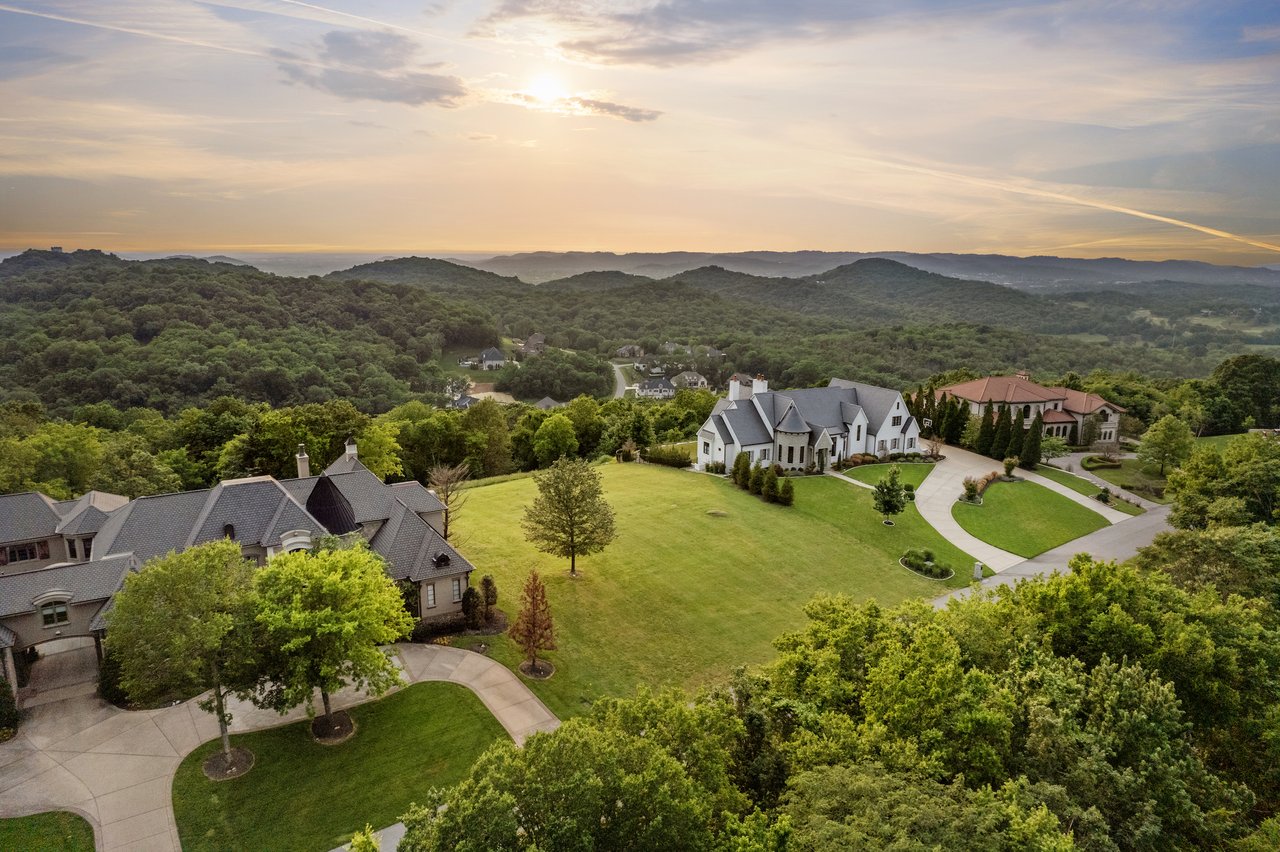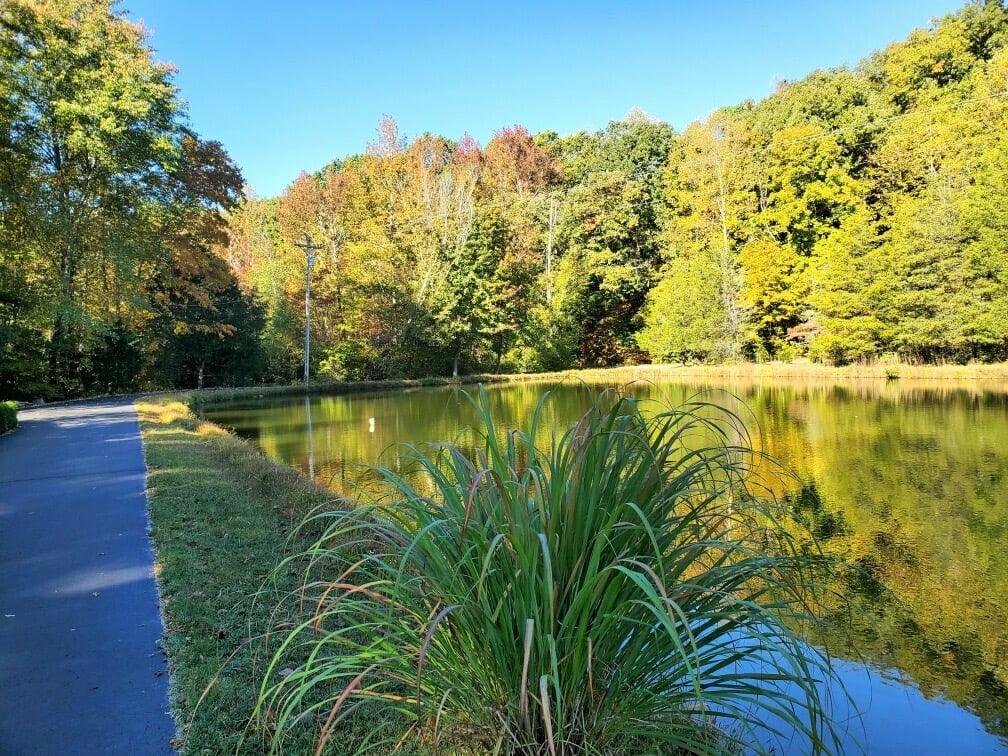
Considering a home in The Grove? Before you fall for the streetscape or a model home, make sure the community fits your life, budget, and long-term plans. You want clarity on the lot, builder rules, HOA and club costs, and what daily living will feel like after closing. This buyer checklist walks you through what to ask, what to review, and what to look for on site so you can decide with confidence. Let’s dive in.
Lot and site factors
Choosing the right lot is about more than curb appeal. Pay attention to how the site will live year-round, not just on a sunny show day.
Solar orientation and daylight
Natural light and sun exposure affect comfort and energy bills. Review which way the home and outdoor spaces face. Visit morning, midday, and late afternoon to see the light. Guidance from the U.S. Department of Energy on passive solar and daylighting can help you think through orientation and solar gain; start with the DOE’s overview on passive solar home design.
What to request and check:
- Site plan showing orientation and major windows and patios.
- Tree canopy that may shade key spaces.
- Sun path at different seasons; use a simple sun-path app when on site.
Slope, drainage, and soils
Slope and drainage shape foundation needs, landscaping costs, and how water moves on the property. Look for signs of erosion or standing water. Confirm where swales or drainage easements sit relative to your yard.
What to request and check:
- Topographic or site survey, plus any civil grading plans.
- Geotechnical or soils report if buying a new lot.
- Proximity to detention or retention ponds.
Flood, wildfire, and other hazards
Hazard risk can impact both insurance and resale. Even if the community is newer, verify the risk profile.
What to request and check:
- FEMA flood zone map and, if applicable, an elevation certificate. You can look up maps through the FEMA Flood Map Service Center.
- Local wildfire hazard maps or guidance from the local fire authority.
- History of flooding or fire events in the area.
Views, privacy, and noise
Views, privacy, and ambient noise influence daily livability and marketability. Walk the lot during peak times to note activity.
What to request and check:
- Amenity map showing gates, clubhouses, pools, courts, or golf features nearby.
- Sight lines into neighbors’ yards and upper windows.
- Noise at weekend and evening peak periods.
Easements, setbacks, and usable area
Easements and setbacks limit what and where you can build. Confirm the true usable footprint of the yard.
What to request and check:
- Recorded plat, deed, and a recent ALTA/ACSM survey showing all easements and the building envelope.
- Title report to confirm any utility or drainage rights.
Trees, landscaping, and maintenance
Mature landscaping adds appeal but can increase upkeep. Clarify who maintains what.
What to request and check:
- HOA landscape guidelines and maintenance map.
- Replacement rules if a protected tree is removed.
- Irrigation responsibilities and water-source details.
Lot red flags
- Large, active easements that remove most of the usable yard.
- Grading that channels water toward the foundation or requires extensive retaining walls.
- Direct adjacency to mechanical equipment, busy roads, or high-activity amenities.
- Location in a high-risk hazard zone with limited or costly insurance options.
Builder and ARC rules
New or recently built homes in premium communities often come with architectural rules and specific builder processes. Get the facts in writing.
ARC guidelines and approvals
Most high-end communities use an Architectural Review Committee with design rules on materials, colors, fencing, solar, lighting, and landscaping. Ask for the full guidelines and recent approvals to see real-world precedent.
What to request and check:
- Full ARC or design guidelines and a summary of recent approvals.
- Policies for paint changes, fences, exterior lighting, accessory structures, and solar panels.
- Approval timelines and enforcement practices.
Builder standards and what’s included
Model homes often showcase upgrades not in the base package. Insist on a clear, itemized list of included features and finish levels.
What to request and check:
- Final contract with exhibits listing included finishes and allowances.
- Change-order process, pricing, and deadlines.
- Who completes driveways and landscaping, and by when.
For general expectations on new-home buying and warranties, consult the National Association of Home Builders.
Warranties, punch lists, and completion
Warranty length and scope matter for long-term costs. Clarify workmanship, systems, and structural coverage, plus how you file claims after closing.
What to request and check:
- Written warranty documents; confirm who handles claims if the builder exits the community.
- Punch-list process and timelines; verify completion before final acceptance.
- Any warranty insurance or escrow protections.
Infrastructure and responsibility
Know who delivers streets, sidewalks, gates, and amenities, and when the HOA, not the builder, becomes responsible.
What to request and check:
- Improvement completion schedule and any bonding or letters of credit in public records.
- Temporary access plans if amenities are not complete.
Builder red flags
- No detailed, written list of included features.
- No warranty documents or unclear post-closing contacts.
- Active litigation against the builder or confusing corporate structure.
- Missing or unrecorded assurances for infrastructure completion.
HOA, club, and costs
Costs and rules shape ownership and resale. Treat this as a core part of your due diligence.
Mandatory or optional club membership
Some communities require club membership with initiation fees and monthly dues. These costs affect affordability and appraisals.
What to request and check:
- Club membership agreement, fee schedule, and any minimums.
- Whether initiation fees transfer with the property at resale.
- Cart fees, guest policies, and any capital contribution at closing.
Financial health and reserves
Well-funded reserves reduce the risk of surprise assessments. The Community Associations Institute provides helpful frameworks; explore CAI’s resources on HOA finances at caionline.org.
What to request and check:
- Current budget, audited financials for 2 to 3 years, and the latest reserve study.
- Reserve balance relative to recommended funding levels.
- History of special assessments and owner delinquency rate.
CC&Rs, bylaws, and rules
Rules may cover leasing, exterior changes, pets, holiday displays, quiet hours, and home businesses. Read them in full.
What to request and check:
- Full CC&Rs, bylaws, and rules and regulations.
- Leasing rules, short-term rental restrictions, and any right of first refusal.
- Insurance responsibilities and master policy deductibles.
Governance and transparency
Well-run boards maintain property values. Look for accessible minutes and consistent management practices.
What to request and check:
- Board meeting minutes for 12 to 24 months and any manager reports.
- Vendor contracting practices and recent legal actions.
- Estoppel process, fees, and turnaround time.
HOA and club red flags
- No recent reserve study or materially underfunded reserves.
- High delinquency rate or frequent special assessments.
- Recurrent litigation or opaque transfer rules.
- Non-transferable initiation fees that complicate resale.
Commute and lifestyle fit
Daily routines matter as much as square footage. Test-drive the experience you want.
What to request and check:
- Peak-hour drive times to major employment centers and essential services. For broader context, you can review commute patterns in the U.S. Census American Community Survey.
- If the community is gated, observe gate queues at rush hour.
- Amenity access rules, programming calendars, and guest policies.
- Neutral school information such as attendance zones and public or private options via state education resources.
- Distance to healthcare, grocery, dining, fitness, and entertainment.
Resale and financing reality
Think ahead to your exit. Fees, amenities, and lot specifics all influence marketability.
What to request and check:
- How lenders and appraisers treat ongoing dues and fees in your area. Many buyers and lenders factor dues into affordability calculations.
- Comparable sales within the same community and for similar lot orientations or views.
- Sales velocity, price-per-square-foot trends, and days on market. For national context on buyer and seller trends, review resources from the National Association of Realtors.
- Leasing caps or short-term rental prohibitions that influence investor demand.
- HOA operating costs for high-maintenance amenities and any deferred capital projects.
Resale red flags:
- Thin comp data within the same HOA or very slow sales.
- Ongoing build-out with uncertain amenity timelines.
- High, non-transferable initiation fees tied to ownership.
- Repeated special assessments or low reserves.
Documents to request
Gather these before committing so you can review during your contingency period.
- Full CC&Rs, bylaws, rules, and ARC or design guidelines.
- HOA and club budgets plus audited financials for 2 to 3 years.
- Latest reserve study and capital plan; meeting minutes for 12 to 24 months.
- Estoppel process, transfer fees, capital contribution, and assessment history.
- Club membership agreement, fee schedule, and transfer rules.
- Seller’s disclosures; any pest, roof, or mechanical reports.
- ALTA/ACSM survey and title report showing easements and the building envelope.
- Builder contract, specifications, and warranty documents.
- HOA master insurance summary and owner insurance requirements.
- Geotechnical or soils report and grading or drainage permits for new-lot purchases.
Questions to ask
Direct questions speed up clarity and surface risks early.
- Is any club membership mandatory, and are initiation fees transferable at resale?
- What is the current reserve balance, and when was the last reserve study?
- How many owners are delinquent on dues, by dollar amount or percentage?
- Any pending or recent special assessments; what projects do they fund?
- What are the leasing and short-term rental policies and any percentage caps?
- Have major capital projects been deferred; what is next on the plan?
- Any ongoing disputes or litigation with the HOA, builder, or vendors?
- Who administers ARC approvals and typical timelines for exterior changes?
- How long do estoppel letters take and what do they cost?
- For new builds, who is responsible for common improvements and what bonding exists?
On-site inspections
Visit more than once and bring the right experts.
- Tour on a weekday morning, a weekday evening, and a weekend to observe traffic, amenity use, and noise.
- Hire a civil engineer or geotechnical consultant for lots with notable slope or drainage.
- Order a full home inspection and specialists for high-value features such as roof, pool, or foundation.
- Review the builder’s punch list and confirm completion prior to final walkthrough acceptance.
Due diligence timeline
A clear process keeps you protected while moving forward decisively.
- Make your offer contingent upon receiving and reviewing HOA, club, and builder documents.
- Order estoppel and fee status letters early in your option or contingency window.
- Complete physical inspections within the contingency period; follow up on any specialist reports.
- Before closing, reread board minutes, the reserve study, and confirmations on any special assessments or litigation updates.
When to pause or walk away
Protect your investment by taking your time if you see these patterns.
- No reserve study or materially underfunded reserves.
- Frequent special assessments or active litigation involving the HOA or builder.
- Mandatory, non-transferable initiation fees with unclear treatment at resale.
- Large easements or tight building envelopes that limit outdoor usability.
- Builder unwilling to provide itemized inclusions or warranty documentation.
- Thin comps or extended days on market within the community.
Ready to explore The Grove?
If The Grove aligns with your lifestyle and the numbers pencil out, you can buy with confidence. If you still have questions, that is normal for high-end communities. Our team pairs deep land knowledge with concierge residential service to help you weigh lot specifics, HOA health, and long-term value across Middle Tennessee. When you are ready for a private, no-pressure conversation, reach out to Lisa Jurney Walker to begin.
FAQs
Will club dues in communities like The Grove be financed in my mortgage?
- Ongoing club or HOA dues are typically not financed into your mortgage principal, but many lenders consider dues in debt-to-income calculations; initiation fees are usually paid at closing and may only be financed if your lender and loan product allow it.
Can I change exterior items like paint, fencing, or add solar in The Grove?
- In many premium communities, exterior changes require Architectural Review Committee approval; review the ARC guidelines for permitted materials and the typical approval timeline before planning upgrades.
How do I check if the HOA is financially healthy in a community like The Grove?
- Ask for audited financials, the latest reserve study, current reserve balance versus recommended levels, special assessment history, and owner delinquency rates; the Community Associations Institute provides helpful benchmarks.
What happens if a builder in a The Grove-style community is delayed or exits the project?
- Confirm improvement completion schedules and check public records for bonding or letters of credit; know who is responsible for uncompleted streets, gates, and amenities, and consult counsel if assurances are unclear.
Will a home in The Grove be easy to resell later?
- Resale depends on local demand, the fee structure, availability of comparable sales, and the pace of sales in the same HOA; review comps, sales velocity, and how buyers in your market view ongoing dues and initiation fees.