Are you sitting on Brentwood acreage and wondering if splitting it into estate lots would unlock more value than a single buyer sale? It is a smart question in a market where luxury homes and large lots set the tone. You want clarity on demand, rules, timelines, and costs before you make a move. This guide gives you a clear framework, links to the right local resources, and a simple way to compare your options. Let’s dive in.
Brentwood estate-lot demand today
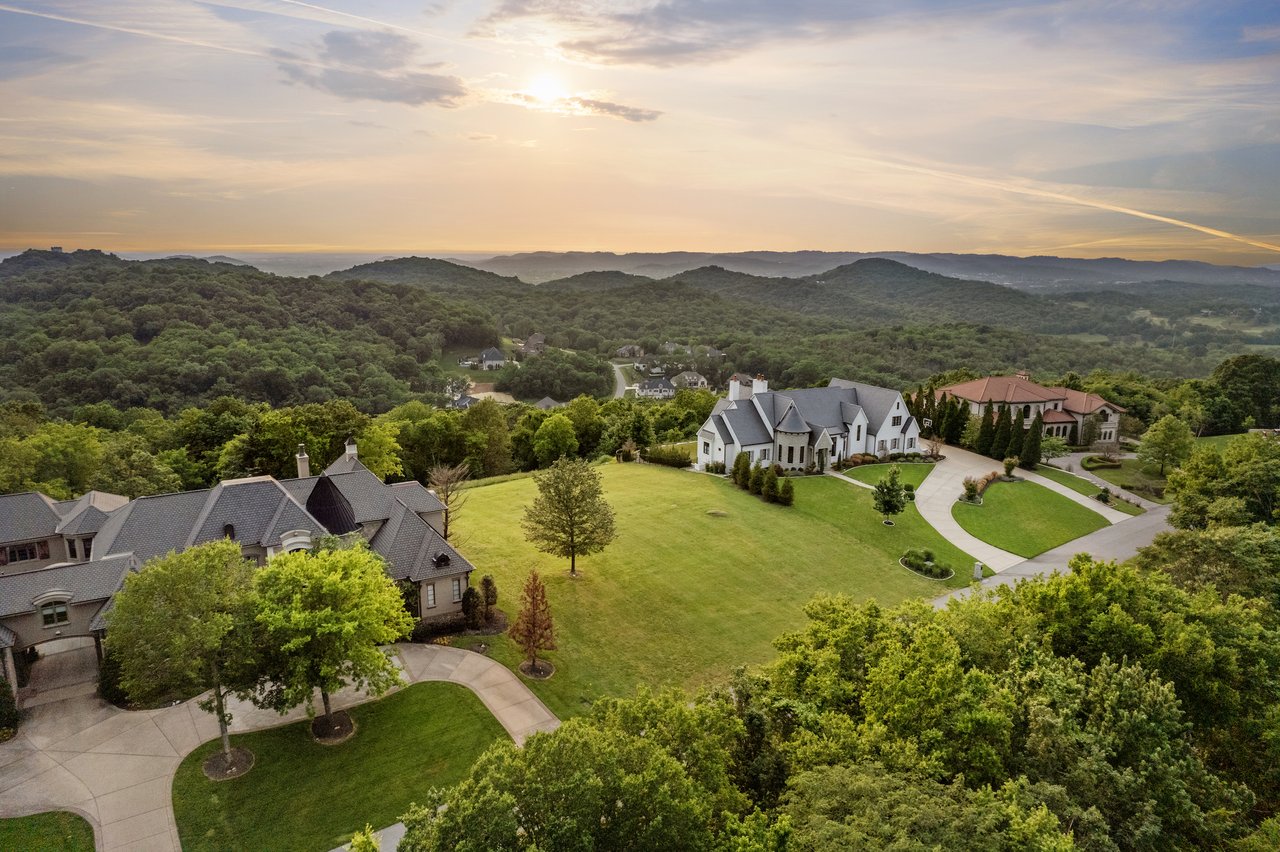
Brentwood sits firmly in the region’s high-end price tier, and estate homes on larger lots help drive those values. Multiple market trackers show median single-family prices in roughly the mid to upper one-million range. Luxury buyers are active, although they tend to be selective and timelines can stretch during slower seasons. That means well-located, build-ready estate lots can see healthy interest, but pricing and site readiness matter.
Buyer profiles and demand drivers
Typical buyers include high-net-worth families seeking custom homes, local builders looking for finished estate lots, and out-of-area buyers who want privacy within commuting distance to Nashville. School boundaries, interstate access, and proximity to Cool Springs can influence buyer interest. Williamson County Schools receive strong rankings, which many buyers review during their search, as noted by the local chamber’s report on high school rankings. Utilities, privacy, topography, and views also play a key role in lot pricing and absorption.
Zoning sets your lot yield
Brentwood’s zoning districts define minimum lot sizes and an overall one acre per home density concept. Key districts include AR at a minimum of 3 acres, R-1 at 2 acres, and R-2 at 1 acre. OSRD allows smaller individual lots if the overall density does not exceed one home per acre and the saved land is set aside as open space. Start by confirming your parcel’s zoning and any overlays using the city’s Planning and Zoning 101 guide.
Subdivision path and timing
Brentwood’s Subdivision Regulations, updated effective September 1, 2024, separate projects into minor subdivisions and major subdivisions. Major subdivisions require a preliminary plan, engineering drawings, inspections, and final plat approval by the Planning Commission. Many items also route through the Development Review Committee. Expect a multi-month process for anything beyond a simple minor plat, and review the official Subdivision Regulations early.
Utilities drive feasibility
Water and sewer access often determine whether an estate-lot concept pencils. Brentwood provides water and a collection-only sewer system in much of the city and publishes service area details on its Water Services and Sewer System page. Some pockets are served by neighboring utilities, such as Mallory Valley Utility District, and rules for extensions vary. If your tract is outside a sewer service area, confirm whether onsite septic is allowed and budget for soils and percolation testing.
County rules if outside city limits
If your acreage lies outside the City of Brentwood and in unincorporated Williamson County, the county’s zoning and subdivision rules apply. Lot sizes, density, and technical requirements can differ from the city’s standards. Verify jurisdiction first, then review the county’s Zoning resources before running yield calculations.
Taxes, Greenbelt, and special constraints
Many Brentwood and Williamson County acreage tracts carry Greenbelt classification for agricultural, forest, or open space use. Converting Greenbelt land to lots can trigger rollback taxes, so it is critical to confirm status and model those costs using the county’s Greenbelt program guidance. Also check for hillside or conservation overlays and recorded easements that affect subdivision potential. These items can reshape your design and timeline.
Compare your main paths
- Hold as-is. You preserve flexibility and avoid development risk, but you also defer potential proceeds.
- Sell the whole tract as-is. This is the fastest and simplest option, often at a lower total price than subdividing.
- Sell to a local builder or developer. You trade some upside for speed and fewer entitlement headaches.
- Subdivide and sell finished estate lots. This can produce the highest gross value but requires capital, time, and coordination with the city and utilities.
A step-by-step framework to decide
Use this practical workflow to compare the options and choose a path that fits your goals and timeline.
1) Confirm your legal and zoning baseline
- Identify jurisdiction and zoning district, then check overlays and any recorded covenants or easements. The city’s Planning and Zoning 101 page outlines district standards.
- If you are near city edges, verify whether city or county rules apply using city and county resources.
- Check Greenbelt status and possible rollback exposure with the county’s Greenbelt program.
2) Estimate lot yield under the rules
- Use minimum lot sizes and the one acre per home density concept to outline a rough yield. Consider OSRD if open space can improve site design while holding density to one per acre.
- Note required buffers, frontage, access spacing, and any open-space set asides. These often reduce gross yield.
3) Verify utilities and site buildability
- Confirm water and sewer service areas using the city’s Water Services and Sewer System information and consult with providers such as Mallory Valley Utility District where applicable.
- Order a boundary and topographic survey and soils/percolation testing if septic is possible. These facts determine lot count and cost.
4) Pull market comps and align with buyer demand
- Review recent sales of finished estate lots and custom homes on similar lots. Focus on your micro-market and current absorption.
- Pricing will vary by location, sewer access, topography, and proximity to key amenities. Keep a margin for seasonality.
5) Build a realistic cost and timing budget
- Pre-development: surveys, soils, and concept engineering.
- Infrastructure: water and sewer main work or septic systems, internal roads, stormwater, erosion control, and utility coordination.
- Soft costs: traffic studies if required, permits and inspections, legal and plat recording, connection and impact fees, and any bonds or escrows per the Subdivision Regulations.
- Sales and carrying: marketing, commissions, interest, and taxes during the sales period.
6) Compare net outcomes across paths
- Calculate projected net proceeds if you sell as-is, sell to a builder, or subdivide and sell finished lots.
- Weigh net value against time, risk, and your legacy goals for the property.
A simple worked example (no dollar figures)
- Start with a 12 to 20 acre tract inside Brentwood city limits. Confirm zoning and whether OSRD is allowed.
- Check the sewer map to see if a gravity connection is near the frontage. If not, explore utility extension or septic feasibility with soils testing.
- Sketch a concept plan that fits the one acre per home density while meeting frontage, buffers, and open-space needs. Note internal road requirements and any turn lanes or access spacing rules.
- Pull comps for finished estate lots in the immediate area, then align prices to your site’s utility status and topography. Ask a civil engineer to estimate road, stormwater, and utility costs.
- Model carrying time based on local absorption of similar lots. Compare your projected net proceeds to a sale-as-is and to an offer from a builder who will handle entitlements.
What drives price per acre right now
- Sewer and water access, or strong soils for septic.
- Topography, including buildable areas, views, and tree cover.
- Access and frontage, including potential turn-lane or spacing requirements.
- Micro-location near commuter routes and services, while preserving privacy.
- Yield within zoning or OSRD and the amount of required open space.
- Readiness to build, including completed surveys, soils, and preliminary engineering.
Your Brentwood next steps
Follow this quick-action checklist before you choose a path:
- Confirm jurisdiction and zoning, and review the city’s Subdivision Regulations for process and submittals.
- Pull recorded deeds, plats, easements, and any covenants that limit subdivision.
- Check Greenbelt status and potential rollback with the county’s Greenbelt program.
- Schedule a pre-application conversation with Brentwood Planning and Codes to confirm classification, likely triggers, and timelines. Use the full Subdivision Regulations to prepare.
- Order a boundary and topographic survey, plus soils and percolation testing if septic may apply.
- Confirm water and sewer providers using the city’s Water Services and Sewer System information and coordinate with alternative providers like Mallory Valley Utility District if relevant.
- Pull local comps for estate lots and custom homes and gather engineering and utility cost estimates.
- Compare net outcomes for selling as-is, selling to a builder, or subdividing and selling finished lots.
When to bring in a local pro
If you want to protect your time and increase certainty, partner with a team that blends acreage expertise with luxury marketing and builder relationships. We can help you confirm zoning and utility paths, coordinate a pre-application meeting, assemble accurate comps, and position the property for the right buyers. If you decide to sell, we deliver high-end presentation and targeted distribution to reach qualified local and out-of-area buyers. Ready to talk through your options in confidence? Schedule a Private Consultation with Lisa Jurney Walker.
FAQs
What is the minimum lot size to subdivide acreage in Brentwood, TN?
- Brentwood’s districts range from AR at 3 acres to R-1 at 2 acres and R-2 at 1 acre, and OSRD allows smaller lots if overall density stays at one home per acre; confirm your parcel’s zoning using Planning and Zoning 101.
How do Brentwood’s 2024 Subdivision Regulations affect estate-lot plans?
- The updated rules separate minor and major subdivisions, require engineering for major projects, outline inspections and securities, and typically add a multi-month schedule; review the official Subdivision Regulations.
How does sewer availability impact lot yield in Brentwood?
- Sewer access often drives feasibility and cost; check the city’s Water Services and Sewer System maps and coordinate with providers, or confirm soils for septic if outside a service area.
What are Greenbelt rollback taxes when subdividing in Williamson County?
- When Greenbelt land no longer qualifies, rollback assessments may apply; verify status and model potential taxes using the county’s Greenbelt program guidance.
Should I consider OSRD for my Brentwood estate-lot concept?
- OSRD can improve design by clustering homes while preserving open space, but overall density still must not exceed one home per acre; confirm eligibility through Planning and Zoning 101 and discuss with Planning and Codes.
How long does a major subdivision approval typically take in Brentwood?
- Timelines vary by complexity, but major subdivisions usually require several months for planning commission approvals, engineering, and inspections; use the Subdivision Regulations and a pre-application meeting to map realistic schedules.