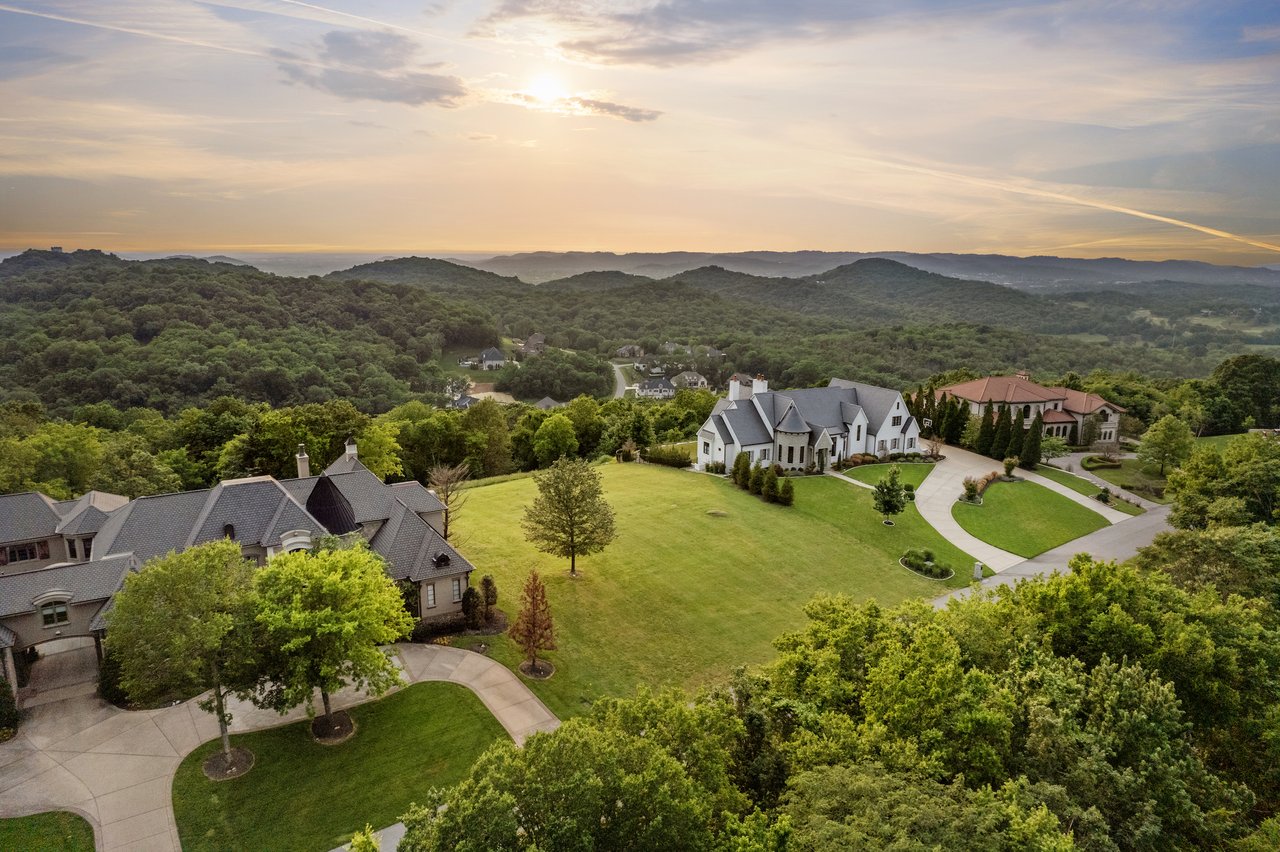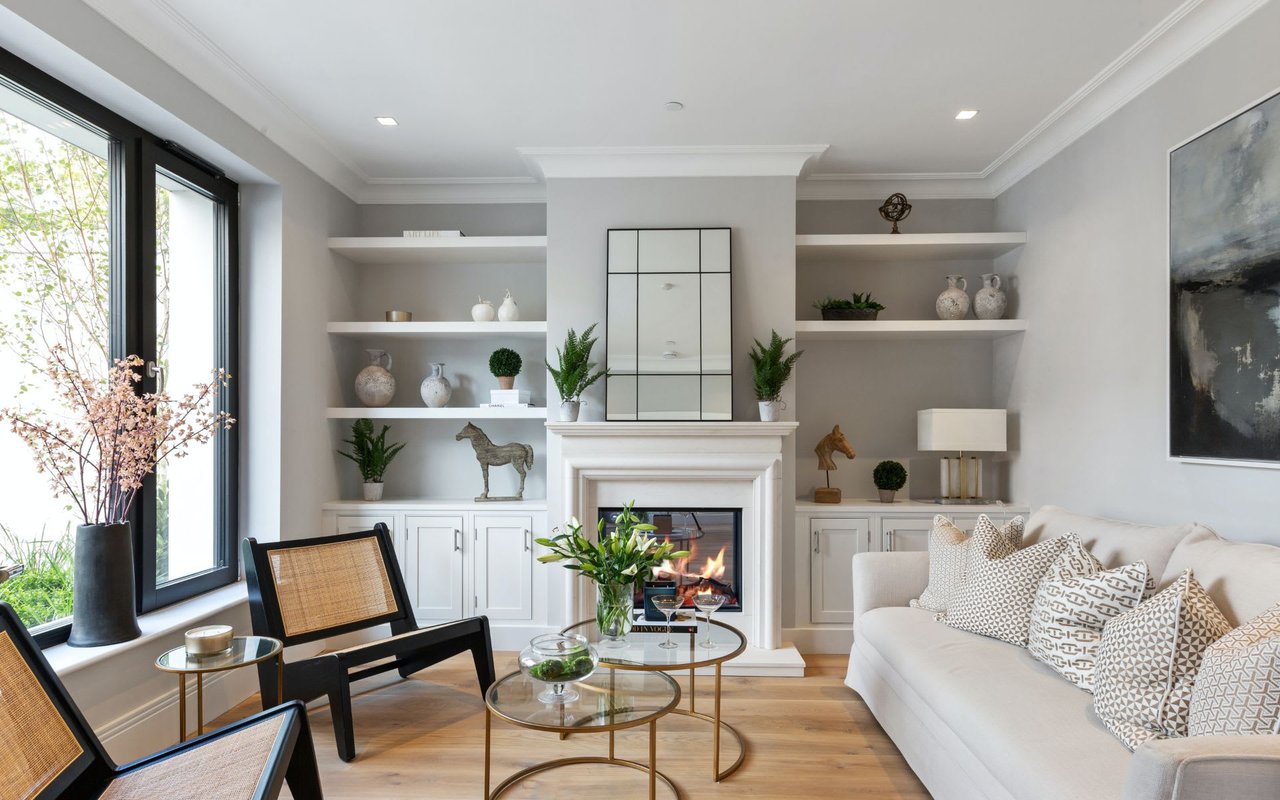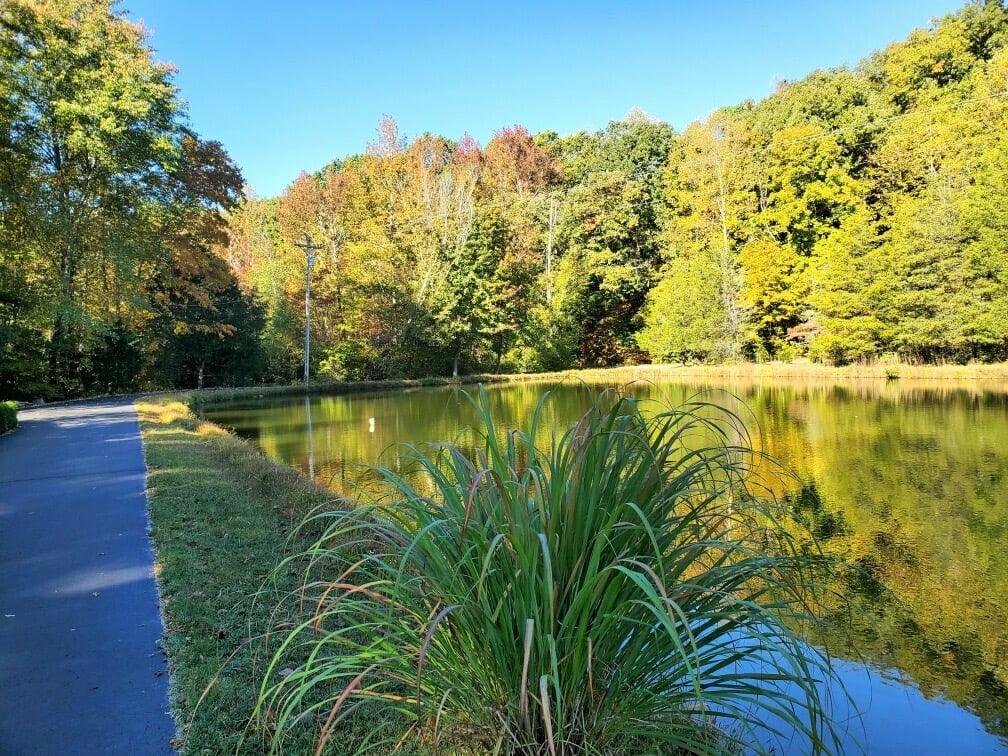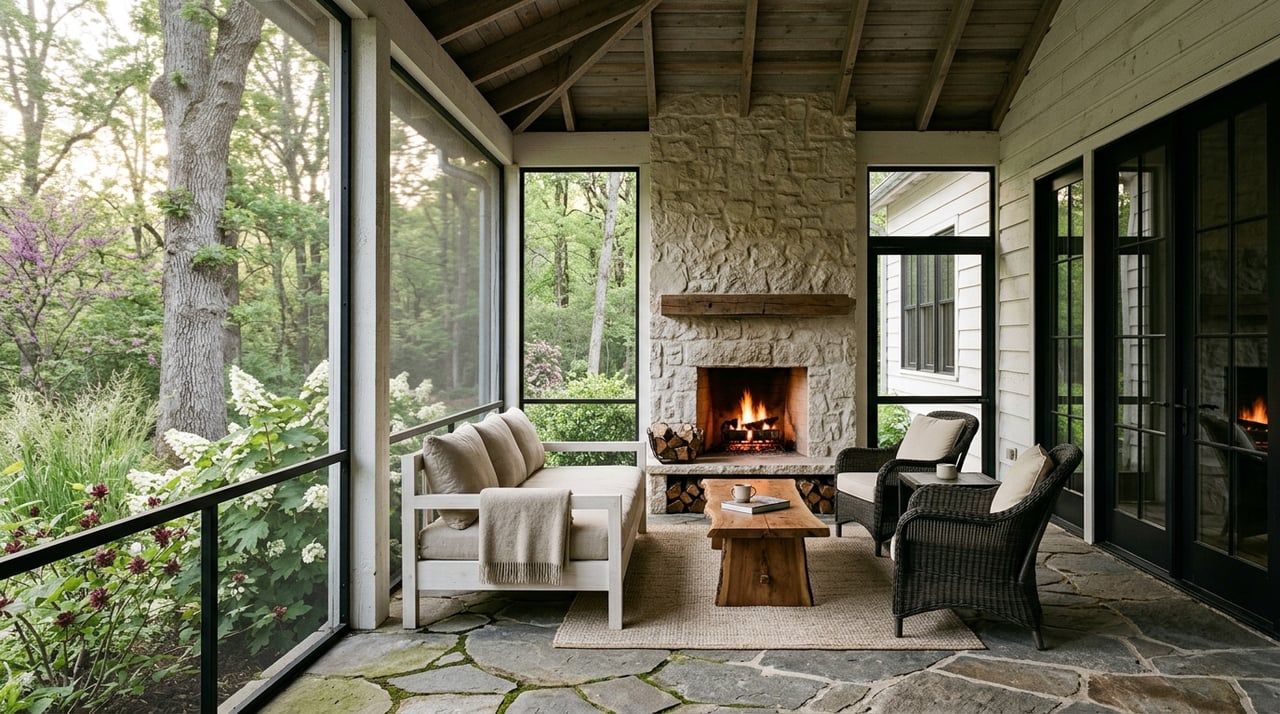
Dreaming of a quiet place to exhale in Leiper’s Fork? You are not alone. Many buyers are drawn to this part of Williamson County for its open views, rural character, and sense of privacy, but turning a property into a true retreat takes more than adding a pool or guest space. If you want a retreat that feels natural, functional, and aligned with the land, the right planning decisions matter from the start. Let’s dive in.
Why Leiper’s Fork Fits Retreat Living
Leiper’s Fork stands out because its planning framework is built around protecting rural character. Williamson County’s special area plan for the Leiper’s Fork Village District emphasizes preserving open space, limiting development, and maintaining the area’s architectural integrity and small-town feel.
That matters if you are shopping for a property with retreat potential. In practical terms, the best retreat-style improvements are often the ones that feel quiet, low-profile, and connected to the landscape instead of competing with it.
The Natchez Trace Parkway also helps shape the setting by forming a boundary that protects scenic open space and limits future development pressure in parts of the area. For you as a buyer, that can support the sense of seclusion and countryside beauty that makes Leiper’s Fork so appealing.
Start With the Parcel Layout
Before you think about finishes and amenities, look at the land itself. In Leiper’s Fork, the parcel size, setbacks, and zoning context can all shape what is realistic.
Some retreat ideas work beautifully on one property and are hard to pull off on another. That is especially true in Leiper’s Fork, where the Village Core Subarea and General Village Subarea have different standards for lot area and density.
Understand Guest Space Rules
If your retreat vision includes a guest suite, carriage house, or separate quarters for extended stays, Williamson County does allow one accessory dwelling unit per parcel. That ADU can be within the main home or in a separate or converted accessory structure, such as a garage or carriage house.
The size limit is 750 square feet or 25 percent of the principal dwelling, whichever is greater, but it may not exceed 75 percent of the principal dwelling. The county also requires a deed restriction before the permit is finalized, and the exterior should still appear as a single-family home.
For you, that means guest space is possible, but it needs to be planned carefully. A beautiful concept on paper still has to fit the county’s dimensional and design requirements.
Watch Lot Size and Setbacks
Setbacks can affect everything from a barn to a pool house. On lots under five acres, accessory structures are generally limited to the rear yard with 15-foot side and rear setbacks.
Pools must stay at least 10 feet from side and rear property lines and cannot encroach into recorded drainage easements. On parcels of five acres or more, accessory structures have more placement flexibility, including some side-yard or limited front-yard siting if setback rules are met.
That is why land planning comes first. A property may have plenty of visual space, but the buildable and usable space can be more limited than it looks.
Know When a Retreat Becomes a Regulated Use
There is an important difference between a private home that feels like a retreat and a property that qualifies as a formal retreat use under county rules. If your plans go beyond personal enjoyment, you need to understand where that line sits.
Williamson County recognizes Rural Retreat-Limited and Rural Retreat-Extensive uses. The limited version starts at 15 acres, does not allow overnight lodging, and is restricted to daytime operation, though it can include amenities like swimming pools, equestrian facilities, picnic areas, tennis, golf facilities, and passive recreation.
The extensive version starts at 20 acres, and an event-center version requires 40 acres plus additional traffic review. If you are imagining gatherings, hosted experiences, or a property with broader commercial use, it is smart to verify early whether your vision stays residential or crosses into a regulated category.
Choose Outdoor Features That Fit the Land
The most compelling retreats in Leiper’s Fork usually work with the landscape rather than overbuilding it. County planning goals favor open space and low-impact recreation, which aligns well with a refined countryside lifestyle.
Williamson County zoning recognizes several accessory uses that fit a retreat setting, including swimming pools, stables, greenhouses, solar panels, and small-scale wind turbines. These features can add comfort and function while still respecting the rural feel of the property.
Equestrian Features Need Room
If horses are part of your vision, acreage matters. The county requires at least 15 acres for equestrian properties, allows no more than one equine per two acres, and sets specific setbacks for related improvements.
Outdoor corrals and related use areas must be set back 100 feet, while roofed equestrian structures require 150-foot setbacks. For buyers considering a horse-ready retreat, those standards can directly affect how the property is laid out and whether the land supports your goals.
Low-Impact Design Usually Ages Better
In Leiper’s Fork, a retreat tends to feel strongest when it preserves the openness of the site. A pool tucked into the landscape, a greenhouse near the garden, or stables positioned with proper setbacks can often feel more timeless than highly suburban improvements that dominate the land.
That approach also aligns with the area’s planning intent. If you want a property that feels rooted in place, subtle design choices often create the best long-term result.
Plan Septic and Well Details Early
One of the biggest mistakes buyers make is focusing on visible improvements before confirming infrastructure. On rural property, septic and water planning can shape almost every other decision.
The Tennessee Department of Environment and Conservation says a septic system permit should be obtained before dirt work or construction begins. The permit application requires a rough sketch showing property lines, the house site, well location, spring location, driveway, and utilities, which shows how connected the septic plan is to the overall layout.
If you plan to add bedrooms, pools, garages, shops, or barns, those changes can require a septic modification permit if they affect the approved system area. In other words, even improvements that seem unrelated can impact what is allowed.
If the property uses a private well, TDEC also says the person drilling, installing, or maintaining the well or related equipment must hold the proper TDEC well driller or installer license. For you, this is another reminder that retreat planning should start with feasibility, not just aesthetics.
Think Carefully About Guests, Events, and Rentals
Many buyers want flexibility for visiting family, occasional gatherings, or future income potential. In Leiper’s Fork, those uses should be verified instead of assumed.
Williamson County defines visitor accommodations as lodging for short-term stays of less than 30 days, with examples including hotels and bed-and-breakfast establishments. Bed-and-breakfasts must be resident-managed and resident-occupied, may rent up to five rooms, and may provide only one meal service to paying guests.
The county’s ordinance history also shows that Vacation Rental Homes entries were deleted in 2017. If you are considering short-term rental use, the county directs those questions to its Business Tax Department, and parcel-specific zoning questions can be submitted through the Planning Department’s zoning inquiry process.
Private Gatherings Are Different From Public Events
If your goal is simply to host family and friends, the rules may be different from operating an event venue. Williamson County treats many public or commercial special events separately from ordinary private family gatherings.
Private events that are not open to the public and are not paid events, such as family reunions, weddings, and holiday gatherings, are exempt from the county’s special-event permit standards. By contrast, permitted special events can trigger requirements for potable water, toilets, waste disposal, on-site parking, lighting, a 200-foot buffer, and limited operating hours.
That distinction matters if you want a property that supports a lifestyle without stepping into a more regulated business use. The safest path is to confirm the parcel’s exact status before making plans based on guest stays, gatherings, or rental assumptions.
What to Look for When Buying
If you are searching for a Leiper’s Fork property to turn into a private retreat, focus on the land first and the wishlist second. The right parcel can make your vision easier, more elegant, and more compliant from day one.
A few smart questions to ask include:
- How many acres does the property include?
- Which subarea applies to the parcel?
- Where are the current setbacks and buildable areas?
- Is there room for an accessory dwelling unit?
- How will septic placement affect future improvements?
- If horses are part of the plan, does the acreage support equestrian use?
- Are guest stays, events, or any income-producing uses likely to require additional review?
In Williamson County, the online zoning ordinance is considered a reference copy, and the official print ordinance plus later amendments control. That is why parcel-specific confirmation with planning staff is so important before you treat a property as a guesthouse property, retreat property, or rental candidate.
A Retreat Should Feel Intentional
The best Leiper’s Fork retreats do not happen by accident. They come from matching your lifestyle goals to a parcel that supports them, then shaping improvements in a way that respects the land, the setting, and the county’s rules.
If you are buying with privacy, legacy, or long-term enjoyment in mind, that kind of intentional planning can protect both your experience and your investment. And in a place like Leiper’s Fork, that thoughtful approach often creates the most beautiful result of all.
If you are exploring luxury homes, acreage, or equestrian property in Leiper’s Fork, Lisa Jurney Walker can help you evaluate the land, the possibilities, and the details that matter before you buy.
FAQs
What makes Leiper’s Fork real estate a strong fit for a private retreat?
- Leiper’s Fork is shaped by planning goals that emphasize open space, limited development, rural character, and architectural integrity, which supports a peaceful retreat setting.
Can a Leiper’s Fork property have a guest house or carriage house?
- Williamson County allows one accessory dwelling unit per parcel, either within the main home or in a separate or converted accessory structure, subject to size limits, deed restrictions, and design requirements.
Do acreage and setbacks affect retreat improvements in Leiper’s Fork?
- Yes. Lot size, rear-yard placement rules, and setback requirements can affect where you place accessory structures, pools, barns, and other retreat features.
Can you use a Leiper’s Fork property as a short-term rental retreat?
- Short-term rental assumptions should be verified directly with Williamson County because ordinance history shows Vacation Rental Homes entries were deleted in 2017, and parcel-specific review matters.
What should buyers check before adding a pool, barn, or extra bedrooms in Leiper’s Fork?
- You should confirm septic layout and permitting early, since TDEC says additions such as bedrooms, pools, garages, shops, or barns can require septic modification if they affect the approved system area.
Can a Leiper’s Fork retreat property include horses?
- Yes, but equestrian use requires at least 15 acres, limits density to one equine per two acres, and requires specific setbacks for corrals and roofed structures.