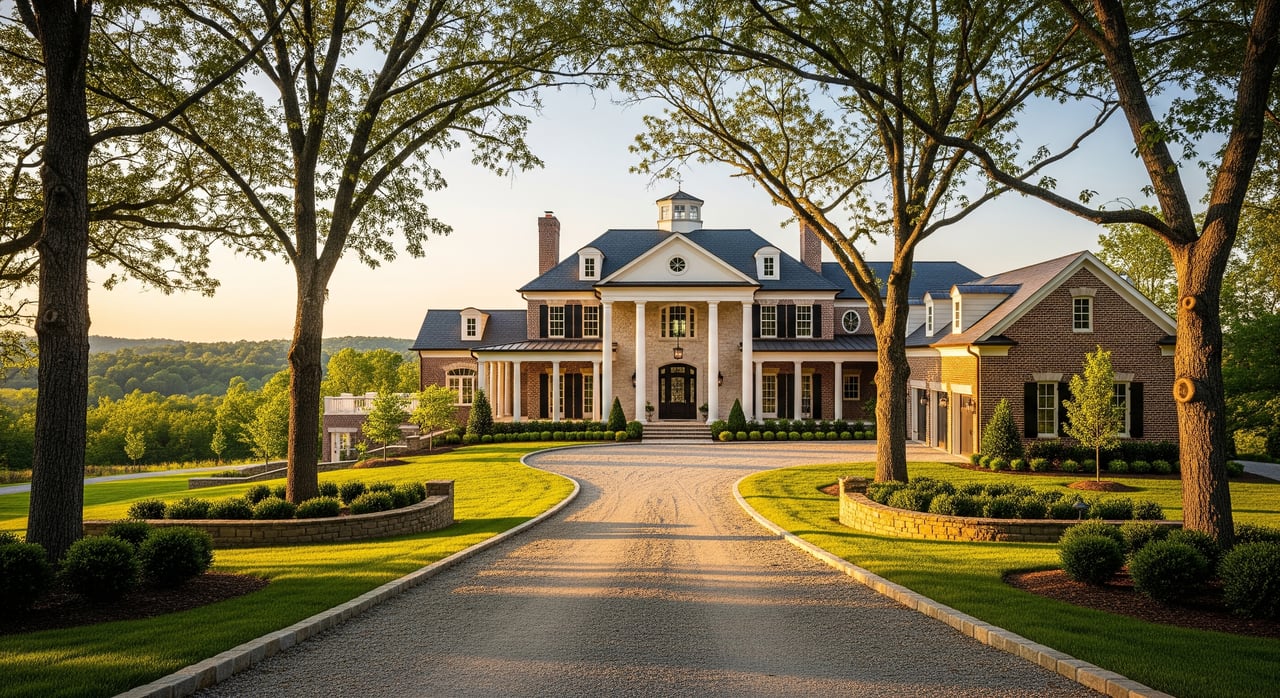
What makes one Brentwood estate command multiple offers while a similar home lingers? In a market where many properties feel custom and every lot is different, small details drive big price differences. If you are buying or selling in Brentwood, you deserve clear guidance on what actually moves value.
In this guide, you will learn the five core drivers of luxury pricing, how appraisers and buyers weigh them, and the checklists you need to evaluate a property with confidence. Let’s dive in.
Why Brentwood commands premiums
Brentwood sits just south of Nashville in Williamson County, with convenient access to downtown, Cool Springs, and Franklin. Many buyers value the area’s commute options, established neighborhoods, and access to parks and greenways. Williamson County public schools are also highly ranked, which supports steady demand.
In short, Brentwood blends location, lifestyle, and stability. Those features attract high-income buyers who are willing to pay for the right micro-location, acreage, and amenities.
What “luxury” means locally
Luxury is best defined relative to the local market. Nationally, it often means the top 5 to 10 percent of sales by price. In Brentwood, the exact dollar cutoff shifts with market conditions. For a live threshold, rely on recent local sales data. The point is not a single number, but that luxury pricing in Brentwood depends more on qualitative factors than a simple price-per-square-foot rule.
Location: micro-markets matter
Where a property sits within Brentwood is often the top driver of value.
- School assignment. Many buyers weigh the specific elementary, middle, and high school zones. Boundary changes can affect value and marketability, so it is wise to confirm the current assignment and any public plans.
- Neighborhood prestige. Gated enclaves, long-established estates, and well-known neighborhoods command premiums because they signal stability and consistent standards.
- Commute and access. Shorter drive times to downtown Nashville, Cool Springs, and Franklin, plus quick access to I‑65 and I‑840, increase desirability.
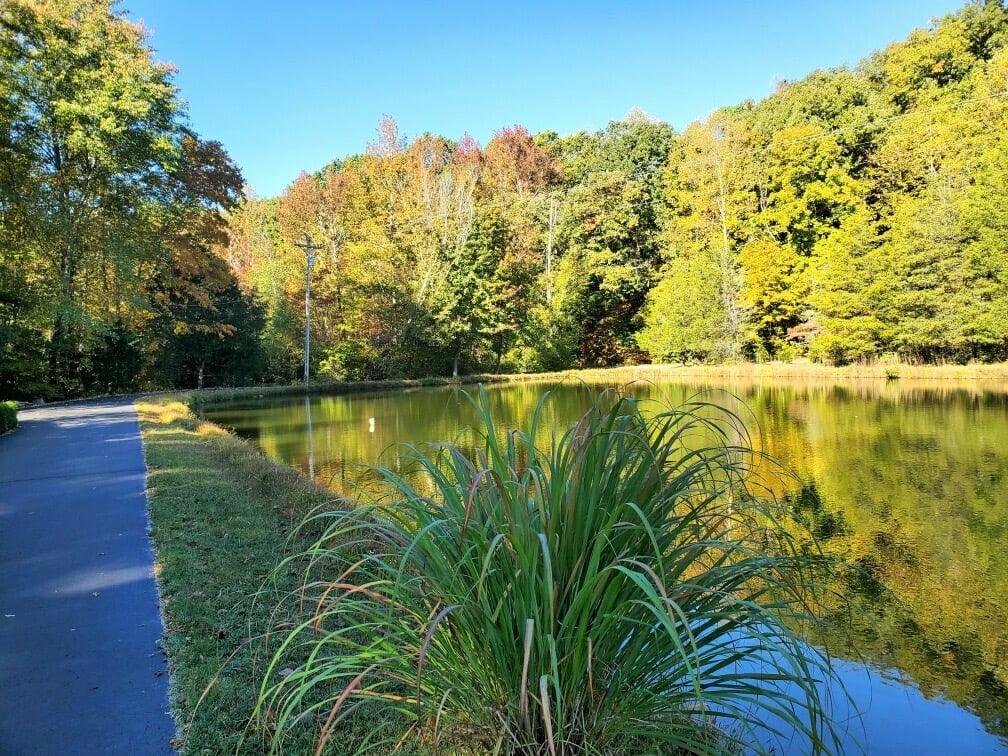
- Amenities and outdoor access. Proximity to parks, greenways, country clubs, shopping, and fine dining helps homes sell faster and at higher prices.
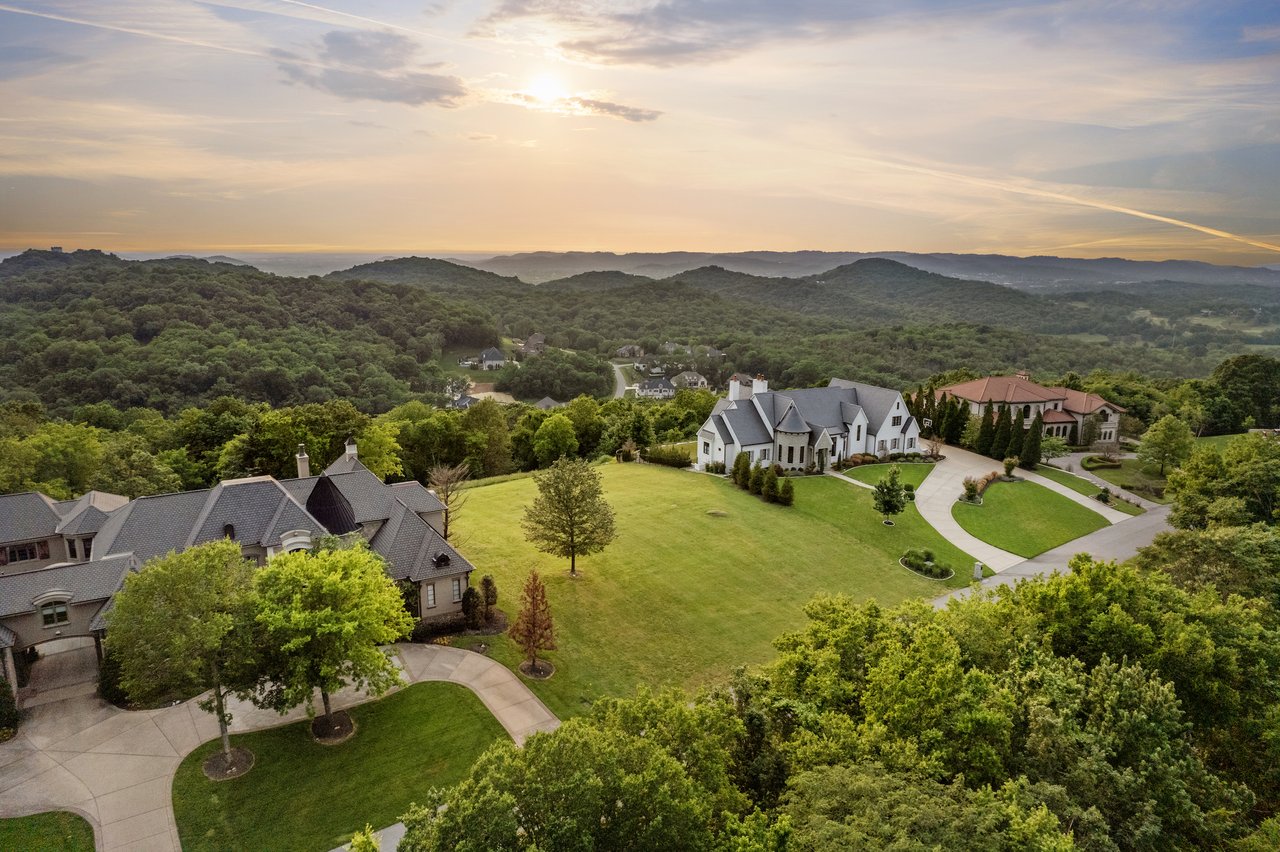
- Privacy and views. Parcels with buffers, long sight lines, or hilltop vistas often earn a meaningful premium over properties without them.
Lot and land features
Acreage is a defining feature in Brentwood, but not all acres are equal.
- Acreage and usability. Larger parcels create strong premiums for privacy, pools, guest houses, and equestrian use. The premium per extra acre tapers, and value depends on usable land rather than raw size.
- Topography and orientation. Buildable, gently sloping or flat land is more valuable than steep terrain. Southern exposure and scenic views add appeal.
- Natural buffers. Mature trees, deep setbacks, and established landscaping increase perceived privacy and value.
- Utilities and access. Public sewer and water, paved road frontage, and unobstructed driveway access are essential. Easements, drainage constraints, and shared drives need careful review.
- Floodplain and wetlands. Parcels near floodplains or wetlands, including Harpeth River corridors, can face development limits, higher insurance, and reduced buyer pools.
Architecture, size, and layout
Luxury buyers value authenticity, craftsmanship, and livable design.
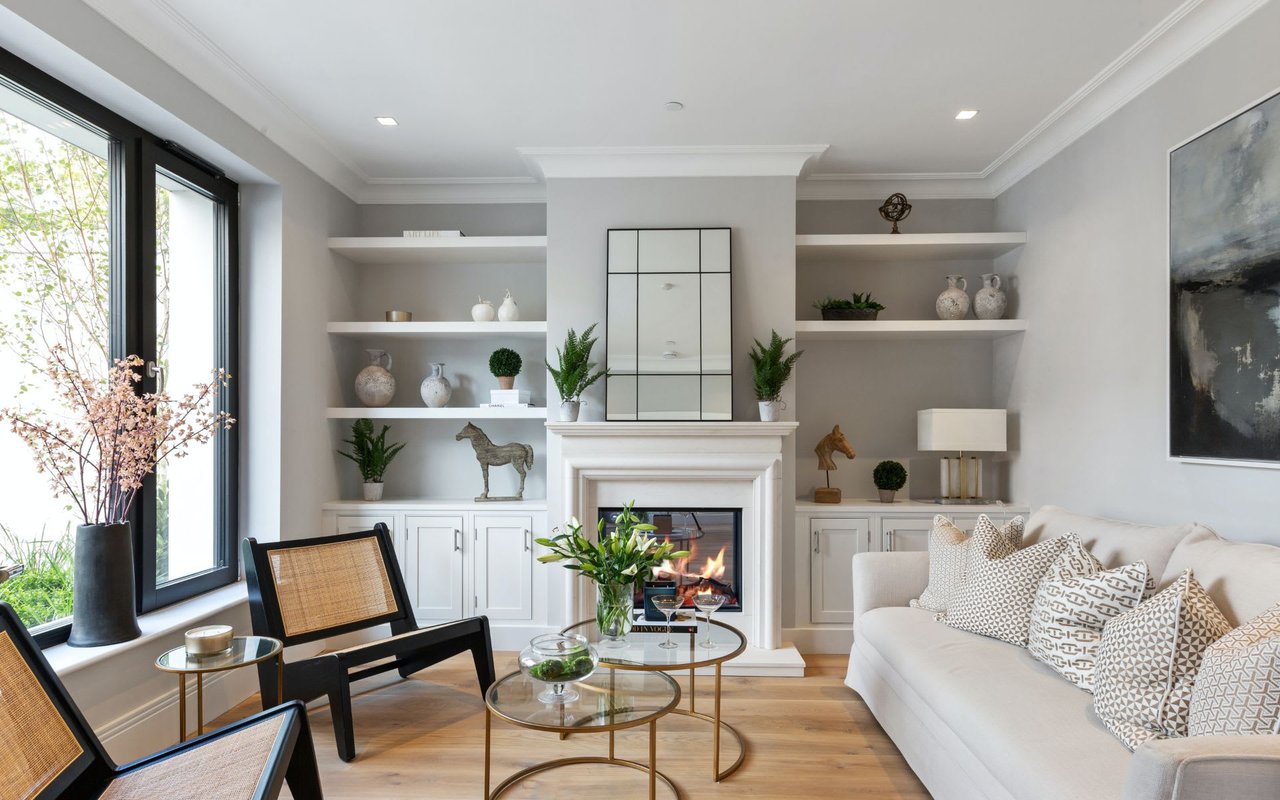
- Architectural quality. Custom designs, notable architects or builders, and high-end materials like stone, specialty windows, and fine millwork can lift value well beyond tract-built alternatives.
- Floor plan and scale. Open layouts with generous ceiling heights, natural light, and well-proportioned primary suites stand out. Usable space and flow between indoor and outdoor areas matter more than raw square footage.
- Bedroom suites and functional spaces. Multiple bedroom suites, finished lower levels, and balanced entertaining versus service areas align with buyer expectations.
- Condition and systems. Recent renovations and updates to HVAC, roof, and electrical help preserve value. Age itself is less important than maintenance and modernization.
Amenities that move price
Some features consistently shift Brentwood luxury pricing upward.
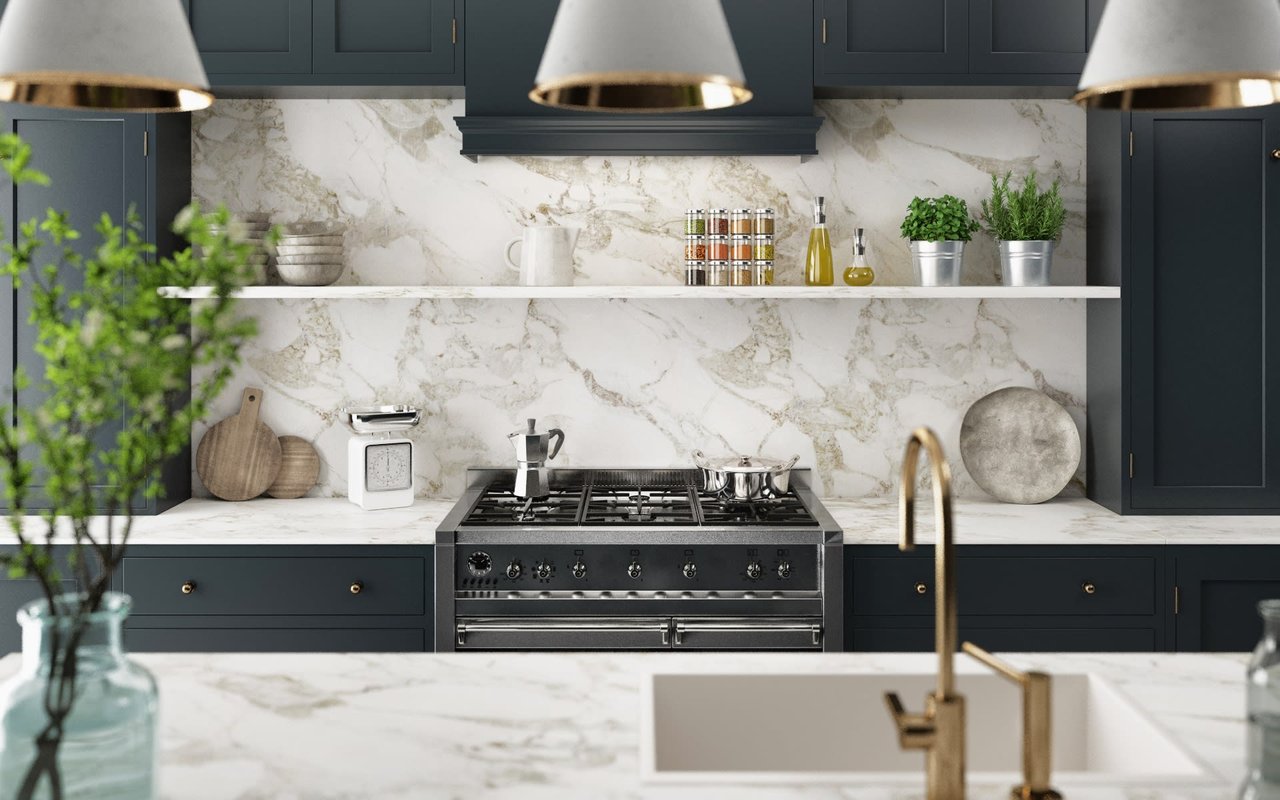
- Core amenities. Chef’s kitchens with commercial-grade appliances, spa-like primary baths, home theaters, fitness or wellness spaces, wine cellars, elevators, and seamless indoor-outdoor entertaining areas make a visible impact.
- Outdoor living. Resort-style pools, outdoor kitchens, covered loggias, and well-designed hardscapes set properties apart.
- Guest accommodations. Guest houses, carriage houses, and flexible ADU spaces broaden appeal and justify higher price points.
- Smart and resilient systems. Extensive smart-home controls, whole-house audio, security systems, generator backup, and energy-efficient upgrades increase desirability and may reduce operating costs.
- Maintenance tradeoffs. Highly customized features can add value but may narrow the buyer pool if they require specialized maintenance.
Legal and carrying cost factors
The numbers behind the home can influence what buyers will pay.
- Zoning and permitted uses. County regulations, overlays, and setbacks determine what you can add, from barns and pools to guest houses. Confirm what is allowed before you price or plan improvements.
- HOA covenants. Community standards can protect values, but rules on architecture, rentals, or exterior changes may limit flexibility.
- Property taxes and insurance. Carrying costs shape affordability and perceived value. Tax assessments do not always match market value, but they still affect buyer expectations.
- Easements and historic or conservation designations. These can limit development options and, in some cases, reduce market value while offering potential tax advantages.
How comps really set price
In the luxury tier, a simple price-per-square-foot shortcut misses the mark. Unique features, lot differences, and finish levels drive wide spreads. A disciplined comp process works better.
- Define the band. Start with the local luxury range, such as the top 5 to 10 percent of sales or a current dollar threshold verified by recent data.
- Use recent sales. In fast markets, focus on 6 months. In slower periods, look 6 to 12 months back to build a reliable set.
- Stay close geographically. Prioritize sales in the same neighborhood or micro-market, with similar lot size and land conditions, including floodplain status.
- Match core attributes. Align on finished square footage, suite count, age and renovation level, and primary amenities like a pool or guest house.
- Adjust thoughtfully. Account for school zone, neighborhood prestige, lot quality, condition, and notable amenities. In the luxury segment, adjustments tend to be larger and more judgment based, so compare several nearby sales to triangulate value.
Market signals to watch
Luxury behaves differently from the entry tier. When inventory tightens, demand often concentrates around scarce trophy properties. In softer periods, the luxury buyer pool narrows faster, and days on market can rise.
Key signals include multiple-offer activity on unique estates, meaningful price reductions on overbuilt listings, and whether buyers are local, relocating executives, or out-of-state purchasers. These patterns help you gauge near-term pricing power.
Buyer checklist: what to gather
Use this quick list to make sure you have the right data before you offer.
- Confirm school assignment and check for any noted boundary changes.
- Pull parcel data: lot size, setbacks, easements, and floodplain or wetlands overlays.
- Review building permit history and major renovation permits.
- Obtain a recent survey; verify fence lines and driveway location.
- Request a full list of upgrades, builder or architect info, and any warranties.
- Confirm utilities: public sewer or septic details, water connections, and stormwater controls.
- Secure HOA documents, fees, and recent meeting minutes if applicable.
- Ask for the seller’s property disclosure and repair invoices.
- Order inspections tailored to the asset: structural, pest, plus roof, pool, septic, and arborist reports as needed.
Seller checklist: what buyers will ask
Prepare these items before you go live to avoid delays and justify your price.
- Builder and architect references, material specifications, and upgrade documentation.
- Clear mapping of usable acreage, flood risk, and any encumbrances.
- A set of 3 to 6 nearby comps with a clear rationale for list price.
- Service records for high-cost systems such as roof, pool, and HVAC.
Putting it together in Brentwood
If you are pricing a Brentwood estate, start with micro-location and school assignment, then weigh acreage and usability, architectural quality, and major amenities. Confirm zoning, HOA rules, and carrying costs to understand what a future owner can add and what it will cost to hold. Finally, anchor your decision with multiple recent comps from the same micro-market, adjusted for land and finish differences.
With the right framework, you can assess value with confidence. If you would like a tailored analysis or help assembling surveys, permits, and comp sets, schedule a Private Consultation with Lisa Jurney Walker.
FAQs
How is luxury defined in Brentwood pricing?
- Luxury is typically the top 5 to 10 percent of local sales by price, with the exact cutoff shifting based on recent Brentwood market data.
How do school zones affect Brentwood home values?
- Many buyers weigh specific school assignments, so current boundaries and stability can influence both price and marketability.
Which lot features add the most value in Brentwood?
- Usable acreage, privacy buffers, favorable topography, utility access, and freedom from floodplain or wetlands constraints tend to command premiums.
What amenities deliver the strongest ROI in Brentwood?
- Chef-level kitchens, spa-like primary suites, pools and outdoor kitchens, guest or carriage houses, and robust smart-home or backup systems commonly move price.
How should I choose comps for a Brentwood estate?
- Focus on recent sales in the same micro-market that match lot size and land conditions, core square footage and suite count, renovation level, and key amenities.
What documents should Brentwood sellers prepare before listing?
- Gather surveys, permits, upgrade records, HOA documents, utility details, property disclosures, and maintenance histories for roofs, pools, and HVAC.